Dental problems have a way of showing up at the worst possible time. A tooth starts throbbing during dinner, a crown comes loose before a meeting, or a child chips a tooth on the playground. In those moments, many patients search for an emergency dentist Family Dentist IN and wonder what to do next.
The good news is that not every dental problem has to feel overwhelming. With the right information and a calm plan, patients can take sensible first steps, reduce discomfort, and get the appropriate dental care as soon as possible.
Important note: This article is for general education only and does not diagnose dental conditions or replace care from a licensed dentist or medical clinician. Anyone with severe pain, swelling, trauma, fever, difficulty breathing, or trouble swallowing should seek urgent professional help right away.
What Counts as a Dental Emergency?
A dental emergency is any oral health problem that needs prompt attention to relieve significant pain, control infection, stop bleeding, or protect a damaged tooth. Some issues are obvious emergencies, such as a knocked-out tooth. Others are less clear, such as a dull toothache that becomes sharper over time.
In general, patients should contact a dentist quickly if symptoms feel intense, worsen suddenly, or interfere with eating, sleeping, speaking, or daily routines. A family dental office can often help patients decide whether they need a same-day visit, a next-available appointment, or medical emergency care.
Signs a Patient Should Call an Emergency Dentist
- Severe or persistent tooth pain
- Swelling in the gums, jaw, face, or neck
- A knocked-out, loose, cracked, or broken tooth
- Bleeding that does not stop with gentle pressure
- A lost filling, crown, bridge, or dental restoration causing pain or sensitivity
- Signs of infection, such as pus, fever, a bad taste, or worsening swelling
- Dental injury after a fall, sports accident, or bite trauma
- Pain when biting down that does not go away
When symptoms include trouble breathing, difficulty swallowing, swelling that spreads quickly, or high fever, patients should seek emergency medical care immediately. These signs may indicate a more serious infection or medical concern.
Emergency Dentist vs. Family Dentist: What Is the Difference?
An emergency dentist focuses on urgent dental needs, especially pain, injury, infection, or sudden damage. A family dentist provides ongoing dental care for patients of many ages, including preventive visits, cleanings, fillings, crowns, gum care, and routine oral health guidance.
In many cases, the same dental office can provide both. A family dentist who knows a patient’s history may be especially helpful during an emergency because the team may already understand the patient’s dental work, medical considerations, anxiety level, and treatment preferences.
For example, a patient with a painful cracked molar may need urgent evaluation and relief first. After that, the family dentist can discuss longer-term options, such as a crown, root canal therapy, extraction, or other care depending on the diagnosis. The goal is to address the immediate concern while also protecting future oral health.
Common Dental Emergencies and What They May Mean
Dental symptoms can come from many causes, so a dentist needs to examine the mouth and often take dental X-rays before recommending treatment. Still, understanding common emergencies can help patients know when to act quickly.
Severe Toothache
A toothache may come from decay, a cracked tooth, gum problems, bite pressure, sinus pressure, or infection. Mild sensitivity that comes and goes may not be an emergency, but severe, constant, or worsening pain should not be ignored.
Until the dental visit, patients can gently rinse with warm water and floss around the area to remove trapped food. They should avoid placing aspirin directly on the gums or tooth, because it can irritate or burn soft tissue.
Knocked-Out Tooth
A knocked-out permanent tooth is one of the most time-sensitive dental emergencies. Patients should handle the tooth by the crown, not the root. If it is dirty, it can be gently rinsed with milk or saline if available, but it should not be scrubbed.
If possible, the tooth may be placed back into the socket with gentle pressure. If that is not comfortable or safe, it can be stored in milk or a tooth preservation product and brought to the dentist immediately. Baby teeth should not be replanted unless a dentist specifically advises it.
Chipped, Cracked, or Broken Tooth
A small chip may be mostly cosmetic, while a deeper crack can expose sensitive inner tooth structure. Patients should save any broken pieces if possible and avoid chewing on that side until they are evaluated.
A dentist may recommend bonding, a filling, a crown, root canal therapy, or another treatment depending on how much of the tooth is affected. The sooner the tooth is checked, the easier it may be to prevent further damage.
Lost Crown or Filling
A lost crown or filling can leave the tooth sensitive to air, temperature, sweets, and pressure. Even if it does not hurt right away, the exposed tooth may be vulnerable to decay or fracture.
Patients should keep the crown if it comes off and bring it to the appointment. Over-the-counter temporary dental materials may help protect the area briefly, but they are not a substitute for professional care.
Dental Abscess or Swelling
Swelling, pus, a pimple-like bump on the gums, fever, or a bad taste in the mouth may be signs of infection. Dental infections can spread, so patients should contact a dentist promptly.
If swelling spreads to the face, jaw, or neck, or if breathing or swallowing becomes difficult, emergency medical care is needed. A dental abscess is not something to “wait out,” even if pain temporarily improves.
What Patients Can Do Before the Appointment
While waiting to see a dentist, simple steps may help protect the mouth and keep the situation from getting worse. These steps are not treatment, but they can make the time before the appointment more manageable.
- Call the dental office as soon as possible. Clear details help the team schedule appropriately.
- Describe symptoms carefully. Mention pain level, swelling, bleeding, injury, fever, and when symptoms started.
- Use a cold compress for swelling. Apply it to the outside of the face in short intervals.
- Rinse gently with warm water. This can help clear debris from the mouth.
- Avoid chewing on the painful side. Soft foods may be easier until the dentist evaluates the area.
- Follow medication directions. Patients should use over-the-counter pain relievers only as directed and should ask a clinician if they are unsure what is safe for them.
- Bring dental appliances or broken pieces. Crowns, tooth fragments, dentures, or aligners may help the dentist assess the problem.
Patients should not ignore symptoms simply because they come and go. Dental pain often changes depending on pressure, temperature, and inflammation. A tooth may feel better for a while even when the underlying issue still needs care.
What Happens During an Emergency Dental Visit?
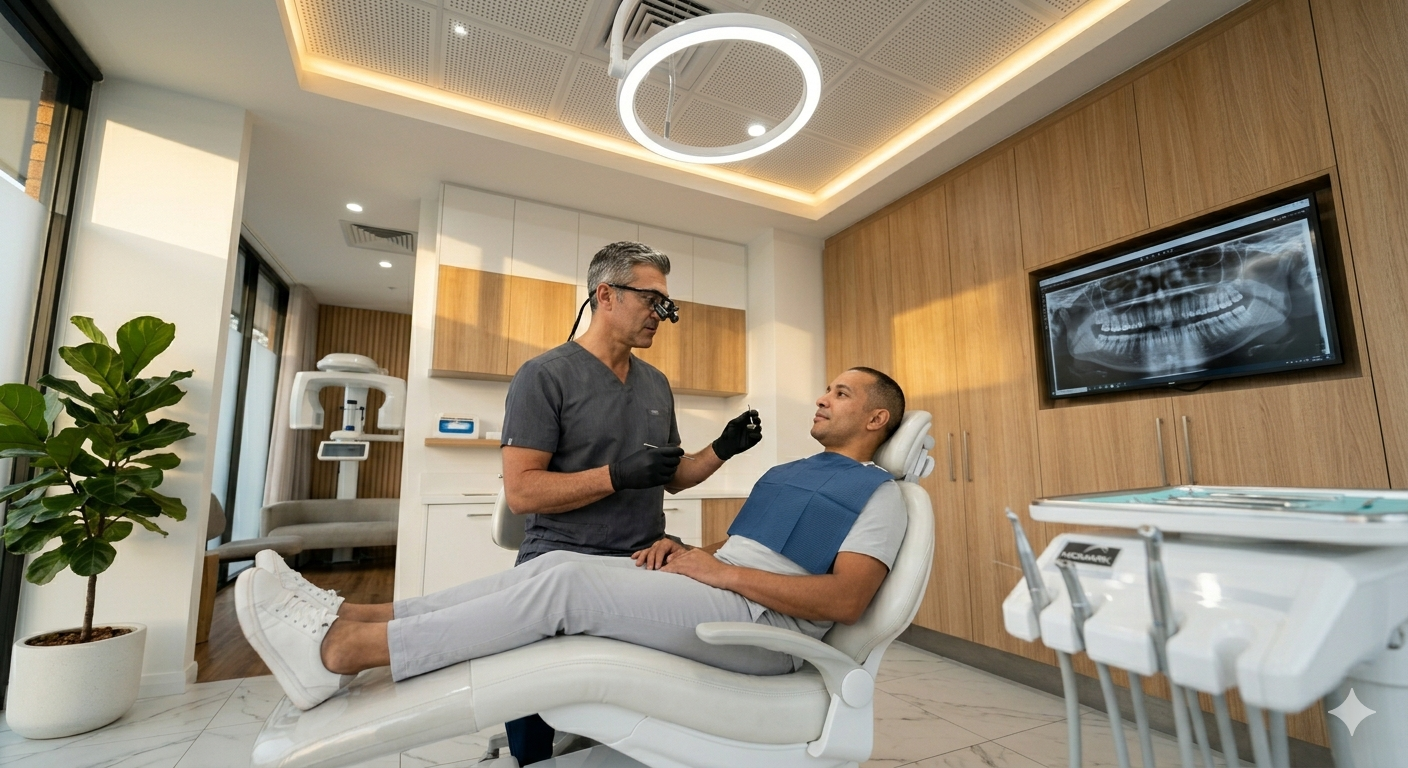
An emergency dental appointment usually starts with a conversation about symptoms, medical history, medications, allergies, and what happened. The dental team may take X-rays, examine the teeth and gums, check the bite, and look for signs of infection or injury.
The first priority is often comfort and stabilization. That may mean relieving pain, smoothing a sharp edge, treating infection, temporarily protecting a tooth, or planning the next step. In some cases, definitive treatment can happen the same day. In others, the dentist may start with urgent care and schedule follow-up treatment.
Modern dentistry offers many comfort-focused options. Local anesthetic, gentle techniques, clear explanations, and step-by-step communication can help anxious patients feel more at ease. A good dental team will explain what they see, why they recommend a certain approach, and what alternatives may be available.
How a Family Dentist Helps Prevent Future Emergencies
Not all dental emergencies are preventable, especially accidents. However, regular family dental care can reduce the chances of many urgent problems by finding small concerns before they become painful ones.
Routine exams and cleanings allow the dentist to monitor cavities, old fillings, gum health, bite wear, and early cracks. For children and teens, a family dentist may recommend mouthguards for sports or preventive treatments such as sealants. For adults, the dentist may identify grinding, clenching, gum recession, or failing restorations before they lead to sudden discomfort.
Preventive care is also a chance for patients to ask questions. A patient who feels occasional sensitivity, notices bleeding gums, or sees a small chip can get guidance early instead of waiting for a late-night dental emergency.
When Should a Patient Choose Same-Day Care?
Same-day dental care is often appropriate when a patient has significant pain, swelling, a broken tooth, a lost restoration with sensitivity, or an injury. Even if the problem seems minor, a quick phone call can help determine the right timing.
Patients should be especially cautious with symptoms that affect children, older adults, people with certain medical conditions, or anyone with a weakened immune system. Dental infections and trauma can become more complicated when care is delayed.
When in doubt, it is better to ask. A dental team would rather help a patient understand the urgency than have that patient sit at home worried or in pain.
Questions to Ask When Calling an Emergency Dental Office
A short, clear conversation can make an emergency visit smoother. Patients may want to ask:
- How soon can the dentist evaluate the problem?
- Should the patient bring a knocked-out tooth, broken piece, crown, or appliance?
- Is there anything the patient should avoid before the visit?
- What information is needed about medications, allergies, or medical conditions?
- What comfort options may be available?
- Will the visit focus on urgent relief first, or can treatment be completed the same day?
Dental offices understand that emergencies can make patients nervous. Asking questions is not a bother; it helps the team provide safer, more personalized care.
FAQ: Emergency Dentist and Family Dentist Care
Is a toothache always a dental emergency?
Not always, but a toothache should be taken seriously. Severe, constant, worsening, or sleep-disrupting pain needs prompt dental attention. Pain with swelling, fever, pus, or trouble biting should be evaluated as soon as possible.
Can a family dentist handle dental emergencies?
Many family dentists provide urgent dental care or set aside time for emergencies. A family dentist can often evaluate pain, infection, injuries, broken teeth, and lost restorations, then recommend appropriate next steps.
What should a patient do if a tooth is knocked out?
For a permanent tooth, handle it by the crown, keep it moist, and contact a dentist immediately. If possible, place it back in the socket gently or store it in milk. A baby tooth should not be replanted unless directed by a dentist.
Should a patient go to the hospital or the dentist for dental pain?
A dentist is usually the right professional for tooth-related pain. However, patients should seek emergency medical care for difficulty breathing, difficulty swallowing, severe facial swelling, uncontrolled bleeding, major trauma, or signs of a spreading infection.
What if a crown or filling falls out but there is no pain?
The patient should still contact a dentist. A lost restoration can expose the tooth to bacteria, sensitivity, or fracture. Prompt care may help protect the tooth and prevent the situation from becoming more uncomfortable.
How can patients reduce the risk of dental emergencies?
Regular dental checkups, daily brushing and flossing, wearing a mouthguard during sports, avoiding chewing ice or hard objects, and addressing sensitivity or small chips early can all help reduce emergency risks.
A Calm Next Step for Urgent Dental Concerns
Dental emergencies are stressful, but patients do not have to navigate them alone. Whether the concern is sudden tooth pain, a cracked tooth, swelling, or a lost crown, a trusted family dental team can help identify the problem and explain the safest next steps.
Dental 123 encourages patients to reach out with questions, especially when symptoms feel urgent or uncertain. A prompt conversation can bring peace of mind, support comfort, and help protect a healthy smile for the future.
Leave a Reply