A brighter smile can make a person feel more confident at work, in photos, at social events, or simply during everyday conversations. In a sunny, social city like Miami, many patients wonder whether teeth whitening is a good option and how to choose a safe approach. The good news is that modern whitening treatments can be simple, comfortable, and customized when guided by a dental professional.
For patients searching for teeth whitening Miami FL, it helps to understand what whitening can and cannot do. Whitening is designed to lighten stains on natural tooth enamel. It does not change the color of crowns, veneers, fillings, or bonding, and it may not work the same for every type of discoloration. That is why a dental consultation is the best first step before starting treatment.
Quick disclaimer: This article is for general educational purposes only and does not diagnose dental conditions or replace personalized advice from a licensed dentist. Anyone with tooth pain, gum irritation, dental restorations, pregnancy-related concerns, or a history of sensitivity should speak with a clinician before whitening.
Key Takeaways
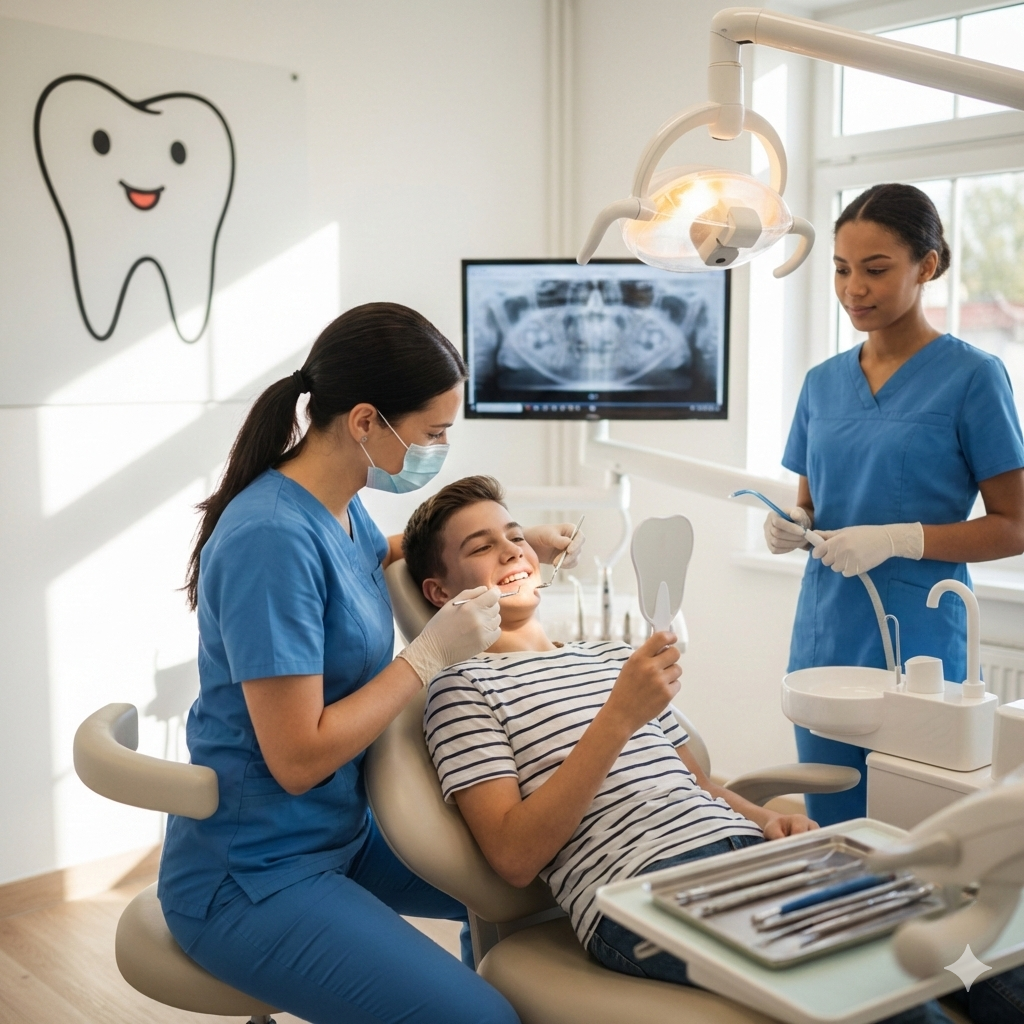
- Professional whitening can often provide faster and more predictable results than over-the-counter products.
- Whitening works best on natural tooth enamel with surface or lifestyle-related stains from coffee, tea, wine, tobacco, or aging.
- Tooth sensitivity and gum irritation can happen, but they are usually temporary when whitening is properly supervised.
- Crowns, veneers, fillings, and bonding will not whiten, so a dentist should evaluate existing dental work first.
- Miami patients should choose whitening based on oral health, comfort, goals, timeline, and budget rather than speed alone.
Why Teeth Become Stained Over Time
Teeth naturally change color as the years go by. Enamel, the outer protective layer of the tooth, can pick up stains from foods and drinks. Underneath enamel is dentin, which has a naturally warmer yellow tone. As enamel becomes thinner with age, more of that dentin color can show through.
Common causes of tooth discoloration include coffee, espresso, tea, red wine, dark berries, tomato-based sauces, curry, tobacco, and certain medications. In Miami, patients may also notice staining from frequent iced coffee, colorful cocktails, or sports drinks. Even healthy habits, such as drinking green tea or enjoying acai bowls, can contribute to surface stains over time.
Not all stains are the same. Extrinsic stains sit mostly on the surface of the enamel. These often respond well to cleaning, polishing, whitening toothpaste, or professional whitening. Intrinsic stains develop deeper inside the tooth structure. These may come from trauma, certain medications, developmental enamel changes, or long-term wear. Intrinsic discoloration can be harder to whiten and may require a different cosmetic plan.
How Professional Teeth Whitening Works
Most professional whitening treatments use hydrogen peroxide or carbamide peroxide. These ingredients break down stain molecules so the teeth appear lighter. The process does not scrub the tooth like a harsh cleaner. Instead, the whitening gel penetrates the enamel surface and targets discoloration in a controlled way.
A dental office can provide whitening in two common ways: in-office whitening and dentist-supervised take-home trays. Both options can be effective, but they differ in speed, convenience, and level of control.
In-office whitening
In-office whitening is performed under dental supervision. The dental team protects the gums and soft tissues, applies a professional whitening gel, and monitors the process. This option is often chosen by patients who want a brighter smile before a wedding, vacation, graduation, job interview, or special event.
The biggest advantage is speed. Some patients notice visible improvement after one visit. However, results vary based on the starting shade, stain type, enamel condition, diet, and home care routine. A dentist can explain what is realistic before treatment begins.
Dentist-supervised take-home whitening
Take-home whitening usually involves custom trays made to fit the patient’s teeth. The trays help keep the whitening gel evenly placed and reduce contact with the gums. Patients wear the trays according to the dentist’s instructions, often for a set amount of time over several days or weeks.
This option may be better for patients who prefer gradual whitening, have mild sensitivity, or want more control over their final shade. It also makes future touch-ups easier, as long as the trays still fit well and the dentist confirms the gel is appropriate.
Professional Whitening vs. Store-Bought Products
Over-the-counter whitening strips, pens, rinses, and toothpaste are easy to find in pharmacies and supermarkets. They can be helpful for mild surface stains, especially when used as directed. Whitening toothpaste can polish away some surface discoloration, but it usually does not create the same level of shade change as peroxide-based whitening.
The main difference with professional whitening is customization. A dentist can check for cavities, cracks, gum recession, exposed roots, worn enamel, and leaking fillings before recommending a product. This matters because whitening gel can irritate vulnerable areas or make existing sensitivity worse.
Store-bought strips may not fit every smile evenly. If a tooth is rotated, crowded, or partially covered, the gel may not reach all areas the same way. Custom trays or in-office care can give the dental team more control over placement, timing, and comfort.
That does not mean every patient needs the strongest option. The right choice depends on the person’s goals. Someone with mild coffee staining may be happy with a conservative approach. Someone preparing for a major event may prefer a professional option that works more efficiently.
Who Is a Good Candidate for Teeth Whitening?
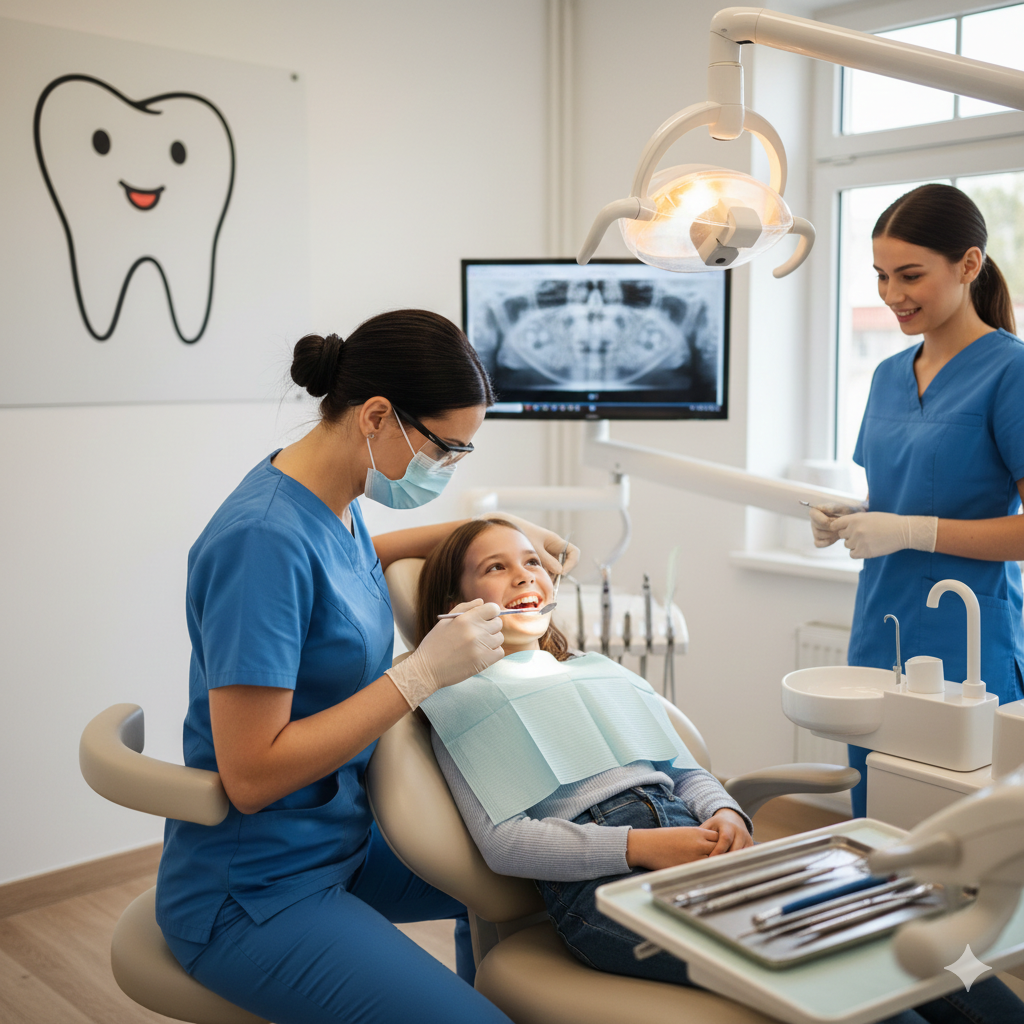
A good candidate typically has healthy teeth and gums, natural enamel, and realistic expectations. Whitening may be a good fit for patients with yellow-toned stains from aging, coffee, tea, wine, or tobacco. Yellow discoloration often responds better than gray or brown discoloration, although a dentist needs to evaluate each case individually.
Patients should schedule an exam before whitening if they have tooth pain, bleeding gums, cavities, white spots, gum recession, exposed roots, dental restorations, or a history of sensitivity. Whitening before treating dental problems can lead to discomfort and uneven results.
Patients with crowns, veneers, bonding, or tooth-colored fillings should be especially careful. These materials do not respond to whitening gel the way natural enamel does. If the natural teeth become lighter but the restorations stay the same color, the smile may look mismatched. In some cases, a dentist may recommend whitening first and then replacing visible restorations to match the new shade.
What Miami Patients Can Expect During a Whitening Visit
A whitening appointment typically starts with a conversation about the patient’s goals. The dental team may ask about sensitivity, previous whitening experiences, dental work, and upcoming events. They may also take a starting shade so the patient can compare changes after treatment.
If in-office whitening is appropriate, the team will usually clean or dry the teeth, protect the gums, apply the whitening gel, and monitor the teeth throughout the appointment. Some systems use a light, while others rely on the chemistry of the gel alone. The dentist will choose a method based on safety, comfort, and expected results.
After whitening, patients may be advised to avoid dark staining foods and drinks for a short period. Coffee, tea, red wine, cola, berries, soy sauce, and deeply colored sauces can re-stain teeth more easily right after treatment. Drinking water, using a straw for iced beverages, and rinsing after meals can help protect the new shade.
Does Teeth Whitening Hurt?
Teeth whitening should not feel painful, but temporary sensitivity is common. Some patients feel a quick zing when drinking cold water or breathing in cool air. Others notice mild gum tenderness if whitening gel touches the soft tissue. These effects often fade after treatment stops or after the dentist adjusts the whitening plan.
Patients with existing sensitivity may benefit from a slower approach, lower-strength gel, shorter wear time, fluoride treatment, or desensitizing toothpaste before and after whitening. The safest plan is one that respects the patient’s comfort instead of pushing for the fastest possible result.
How Long Do Whitening Results Last?
Whitening is not permanent because teeth continue to encounter stain-causing foods, drinks, and daily habits. Results may last several months to a few years depending on oral hygiene, diet, smoking or vaping habits, enamel quality, and maintenance routines.
Patients who drink coffee every morning may need touch-ups sooner than patients who rarely consume dark beverages. Regular dental cleanings help remove surface stains before they build up. Brushing twice daily, flossing, and rinsing with water after stain-heavy meals can also help maintain a brighter smile.
How Much Does Teeth Whitening Cost in Miami, FL?
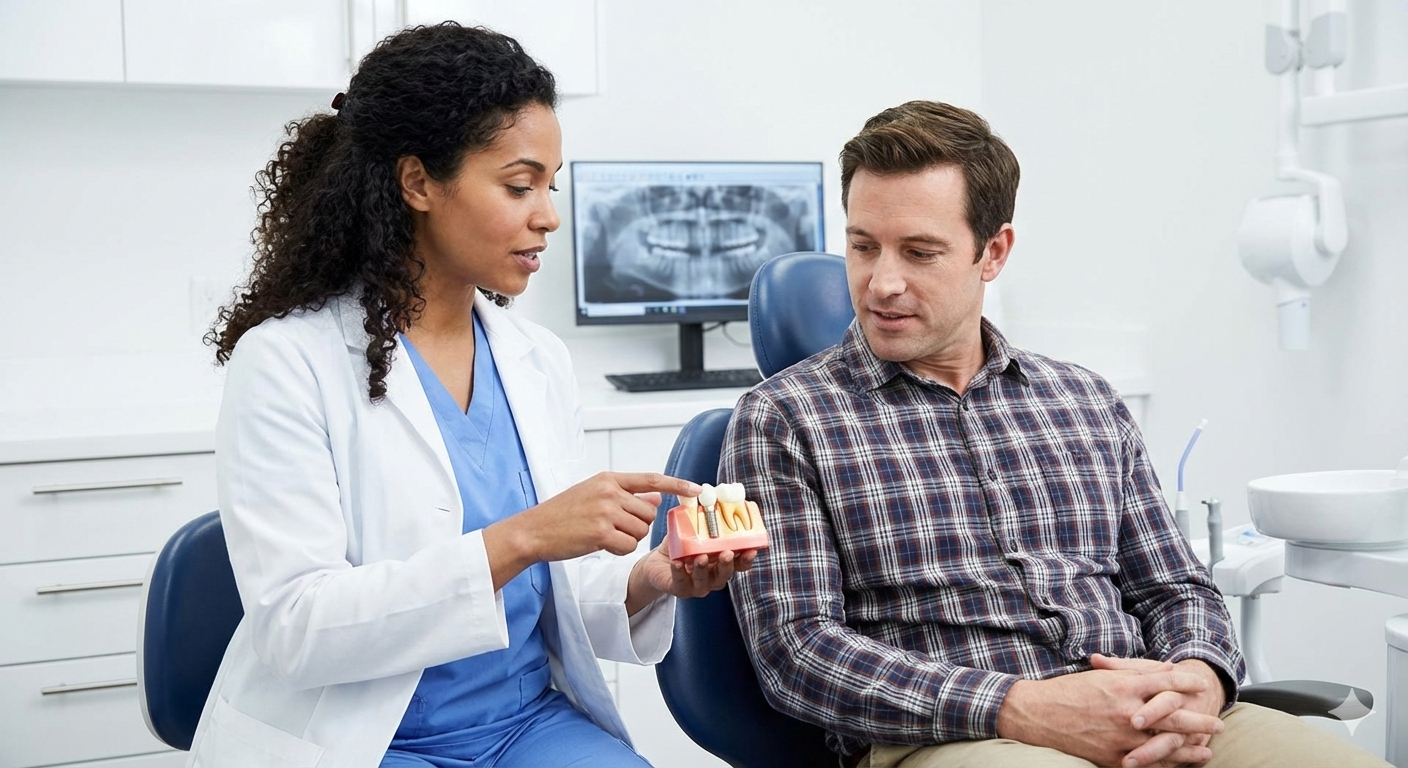
The cost of teeth whitening in Miami can vary based on the whitening system, whether treatment is in-office or take-home, the number of visits, the patient’s starting shade, and whether any dental care is needed first. Cosmetic whitening is often not covered by dental insurance because it is usually considered elective.
Rather than choosing based only on the lowest advertised price, patients should ask what is included. Important questions include: Is there a dental exam first? Are custom trays included? Are touch-up gels available? How is sensitivity managed? Will the dentist evaluate crowns, veneers, fillings, or bonding before whitening?
Dental 123 encourages patients to schedule a consultation for an accurate estimate and a personalized recommendation. A clear plan helps patients avoid surprises and choose an option that fits their comfort, goals, and budget.
How to Keep Teeth Whiter After Treatment
Good maintenance starts with everyday habits. Patients do not need to give up every favorite food or drink, but small changes can make a noticeable difference.
- Brush twice daily with a soft-bristled toothbrush.
- Floss once daily to reduce plaque between teeth.
- Schedule routine dental cleanings as recommended.
- Rinse with water after coffee, tea, wine, or dark sauces.
- Use a straw for iced coffee or dark cold drinks when practical.
- Avoid smoking or vaping, which can stain teeth and affect gum health.
- Ask the dentist before using abrasive DIY whitening trends.
Patients should be cautious with internet whitening hacks, such as lemon juice, charcoal scrubs, or baking soda mixtures used too aggressively. These methods can be abrasive or acidic and may wear enamel over time. A brighter smile should never come at the expense of long-term tooth health.
Frequently Asked Questions About Teeth Whitening in Miami, FL
Is professional teeth whitening safe?
Professional teeth whitening is generally considered safe for appropriate candidates when supervised by a dental professional. A dentist can screen for problems that may cause sensitivity, irritation, or uneven results before treatment begins.
Will whitening work on crowns or veneers?
No. Whitening gel lightens natural tooth enamel, but it does not change the color of porcelain, ceramic, composite bonding, or tooth-colored fillings. Patients with visible dental work should ask a dentist how whitening may affect the overall appearance of their smile.
How white can teeth get?
Results vary. Some patients see a dramatic change, while others see a more subtle improvement. Natural tooth color, stain type, enamel thickness, age, and lifestyle habits all influence the final shade. A dentist can help set realistic expectations.
Can someone whiten teeth before a big event?
Yes, many patients choose whitening before weddings, vacations, reunions, or professional photos. It is best to schedule the consultation early in case the patient needs a cleaning, sensitivity management, or more than one whitening session.
How often can teeth be whitened?
The right frequency depends on the whitening method, the patient’s enamel, sensitivity level, and lifestyle. Over-whitening can increase irritation and sensitivity. Patients should follow their dentist’s instructions and avoid repeating treatments too often without guidance.
Should teeth be cleaned before whitening?
In many cases, yes. A professional cleaning can remove plaque and surface buildup so the whitening gel contacts enamel more evenly. The dentist can recommend the right timing based on the patient’s oral health.
A Brighter Smile Starts With a Healthy Smile
Teeth whitening can be a simple and confidence-boosting option, but the best results begin with healthy teeth and gums. For patients comparing teeth whitening in Miami, FL, the most important step is choosing a dental team that takes time to evaluate oral health, explain options, and personalize treatment.
Dental 123 in Miami focuses on comfortable, practical dental care for everyday patients and families. Anyone curious about whitening can schedule a consultation, ask questions, and learn which option may be the safest and most effective for their smile goals.
Leave a Reply