For many people, the idea of straightening their teeth sounds appealing—until they picture metal brackets, wires, and frequent adjustments. Clear aligners have changed that conversation. These removable, nearly invisible trays offer a modern way to improve tooth alignment while fitting into everyday life more comfortably.
For patients exploring the benefits of clear aligners in Miami, FL, the biggest appeal is often flexibility. Aligners can be removed for meals, brushing, flossing, and special occasions. They also tend to blend naturally into a person’s smile, which can make orthodontic treatment feel less noticeable at work, school, social events, and family gatherings.
Important note: Clear aligners are not right for every orthodontic concern. Only a qualified dentist or orthodontic provider can determine whether aligners are appropriate after evaluating the teeth, bite, gums, oral health history, and treatment goals. This article is for general education and should not replace personalized clinical advice.
Key Takeaways

- Clear aligners are removable trays designed to gradually shift teeth under professional guidance.
- Many patients like them because they are discreet, comfortable, and easier to keep clean than fixed braces.
- Aligners may support better brushing and flossing habits because they can be removed for daily oral care.
- Treatment success depends heavily on wearing the aligners as directed and attending recommended check-ins.
- Costs in the Miami area can vary widely based on case complexity, treatment length, provider, insurance, and financing options.
What Are Clear Aligners?
Clear aligners are custom-made plastic trays that fit snugly over the teeth. Instead of using brackets and wires, the trays apply gentle, controlled pressure to guide teeth into improved positions over time. Patients usually receive a series of aligners, with each set designed to move the teeth a little closer to the planned result.
Clear aligners may be used for many mild to moderate alignment concerns, such as small gaps, crowding, or teeth that have shifted after previous orthodontic treatment. Some more complex bite concerns may also be treated with aligners, but these cases require careful planning and professional oversight. In some situations, traditional braces or another approach may be more predictable.
A clear aligner consultation typically includes an exam, digital scans or impressions, photos, and a bite evaluation. The provider reviews the patient’s goals and explains whether aligners are a practical option. If treatment moves forward, a digital plan may be created to map out the intended tooth movement.
Top Benefits of Clear Aligners for Miami Patients
1. A Discreet Appearance
One of the most popular benefits of clear aligners is their subtle appearance. The trays are transparent and designed to fit closely over the teeth, so they are much less noticeable than metal braces in many everyday situations.
This can be especially helpful for adults and teens who feel self-conscious about orthodontic treatment. Whether someone is meeting clients, attending classes, taking photos, or enjoying Miami’s social scene, clear aligners can make treatment feel more private.
2. Removable Convenience
Clear aligners can be taken out for eating, drinking anything other than water, brushing, and flossing. That removability is a major lifestyle advantage. Patients do not have to avoid many of the sticky, crunchy, or hard foods that can be difficult with braces.
For example, someone can remove the trays before enjoying a meal, then brush or rinse before putting them back in. This flexibility can make aligner treatment feel more natural during restaurant outings, family dinners, travel, and busy workdays.
That said, removability also comes with responsibility. Aligners only work when they are worn as directed. Patients who frequently forget to put them back in may slow their progress or affect the final result.
3. Easier Brushing and Flossing
Traditional braces can make it harder to clean around brackets and wires. Clear aligners remove that obstacle because patients take the trays out before brushing and flossing. This can make daily oral hygiene simpler and more familiar.
Good hygiene matters throughout orthodontic treatment. Plaque buildup can increase the risk of cavities, gum irritation, and staining. Since clear aligners allow direct access to the teeth, many patients find it easier to maintain their normal preventive care routine.
Patients should still be careful, though. Putting aligners back over teeth that are coated with food particles or sugary drinks can trap residue against the enamel. A quick brush, floss, or rinse after meals can help keep the mouth and aligners fresher.
4. Smooth, Comfortable Trays
Clear aligners are made from smooth plastic, which means there are no brackets or wires that can rub against the cheeks or lips. Some patients experience temporary pressure or soreness when switching to a new set of trays, but this often reflects the aligners applying force to move the teeth.
Comfort levels vary from person to person. If an aligner edge feels rough or something does not fit correctly, the patient should contact the dental office rather than trying to adjust the tray at home. Small concerns are often easier to manage when addressed early.
5. Fewer Food Restrictions
Because aligners come out during meals, patients can usually continue eating many of their favorite foods. There is no need to worry about popcorn kernels breaking a bracket or caramel sticking to wires. This can be a welcome benefit for patients who want orthodontic treatment without major changes to their diet.
The key is to remove the aligners before eating and to avoid drinking coffee, tea, soda, juice, or sports drinks while wearing them. Colored or sugary beverages can stain trays or increase the risk of tooth decay if trapped beneath the plastic.
6. Digital Planning and Progress Visualization
Many clear aligner systems use digital scans and planning software to help map out tooth movement. This can give patients a clearer understanding of the treatment plan before they begin. In some cases, patients may be able to preview a simulation of how their smile could change.
Digital planning does not guarantee a specific outcome, but it can support more precise communication between the patient and provider. It also helps patients understand why each aligner matters and how small movements can add up over time.
7. A Good Fit for Active Lifestyles
Miami is an active city, and many patients want dental care that fits their schedule. Clear aligners can be convenient for people balancing work, school, family, fitness, and social commitments. The trays are easy to carry in a case, and check-ins may be scheduled based on the treatment plan and the provider’s recommendations.
Patients who play sports should ask their dentist or orthodontic provider whether they need a separate athletic mouthguard. Clear aligners are not a substitute for a sports mouthguard, especially for contact activities.
Clear Aligners vs. Braces: How Do They Compare?
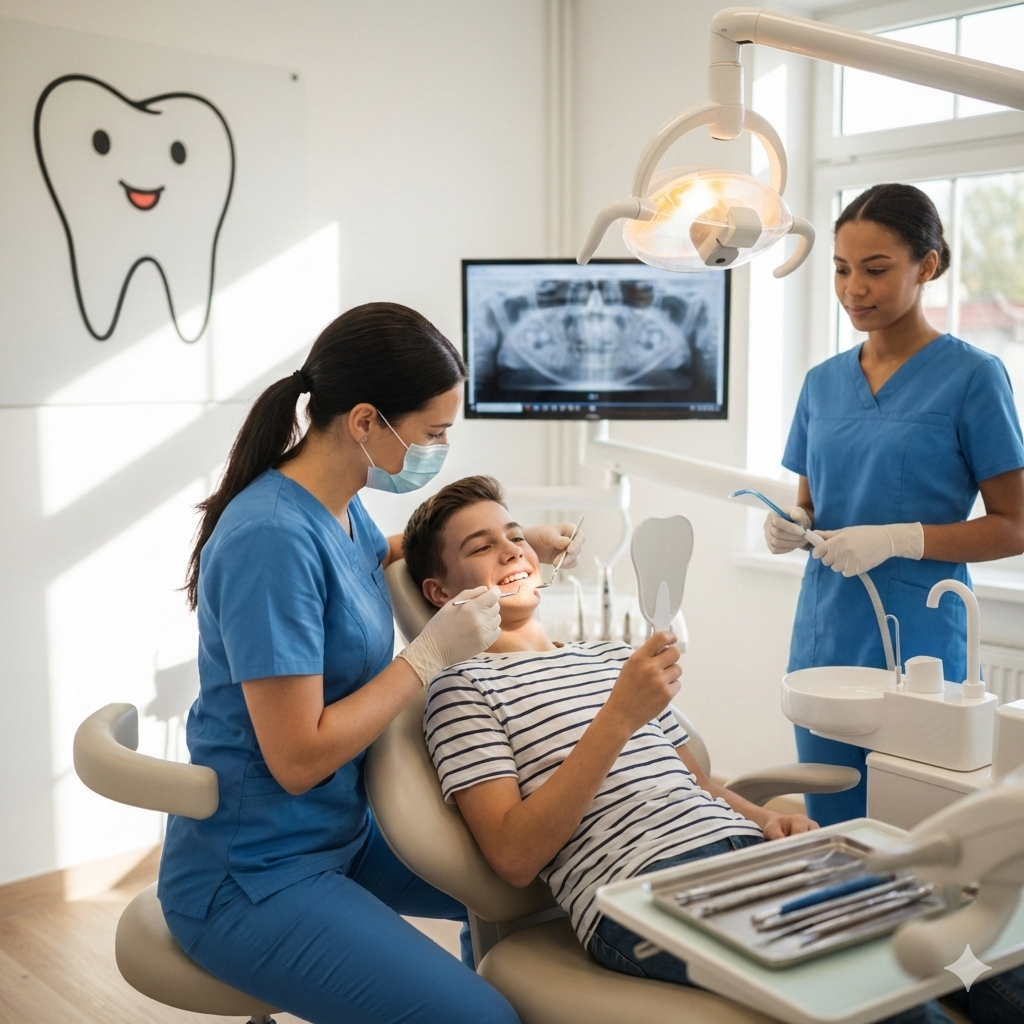
Both clear aligners and braces can move teeth, but they do so in different ways. Braces are fixed to the teeth and work continuously. Clear aligners are removable and depend on consistent wear. This means aligners can be more flexible, but they also require strong patient cooperation.
Research comparing aligners and fixed appliances has found that clear aligners may offer advantages in oral hygiene, plaque control, and patient-reported comfort for some patients. However, braces may still be better suited for certain complex tooth movements, severe bite issues, or cases where compliance is a concern.
The best choice is not simply about which option looks better. It depends on the bite, alignment goals, gum health, tooth movement needed, age, lifestyle, and willingness to follow instructions. A professional exam is the safest way to compare options.
Who May Be a Good Candidate for Clear Aligners?
Clear aligners may be a good option for patients with mild to moderate crowding, spacing, or relapse after previous orthodontic treatment. They may also appeal to adults who want a less noticeable option than braces.
Good candidates are usually willing to wear aligners consistently, clean them properly, and visit the dentist as recommended. Patients should also have healthy gums and be free of untreated cavities before starting orthodontic treatment. Moving teeth in an unhealthy mouth can create avoidable risks.
Clear aligners may not be ideal for every case. Patients with severe rotations, significant bite discrepancies, advanced periodontal concerns, or complex jaw relationships may need a different treatment plan. In some cases, aligners can still be used with attachments or additional techniques, but that decision should be made by a qualified provider.
What Miami Patients Should Know About Cost
The cost of clear aligners in Miami, Florida can vary depending on the complexity of the case, the number of aligners needed, the provider’s training, appointment needs, refinements, retainers, and whether insurance contributes to orthodontic benefits. Local market information commonly places clear aligner treatment in South Florida within a broad range, often from several thousand dollars to the mid-thousands.
Because every mouth is different, the most accurate cost estimate comes after an in-person consultation. Patients should ask what is included in the quoted fee. Helpful questions include:
- Are digital scans, records, and follow-up visits included?
- Are refinements included if additional movement is needed?
- Are retainers included after treatment?
- Does insurance cover any portion of orthodontic care?
- Are monthly payment plans or financing options available?
Clear pricing helps patients compare options fairly. A lower advertised price may not include the same level of supervision, follow-up, or retainer care, so it is worth looking beyond the starting number.
How to Get the Best Results With Clear Aligners
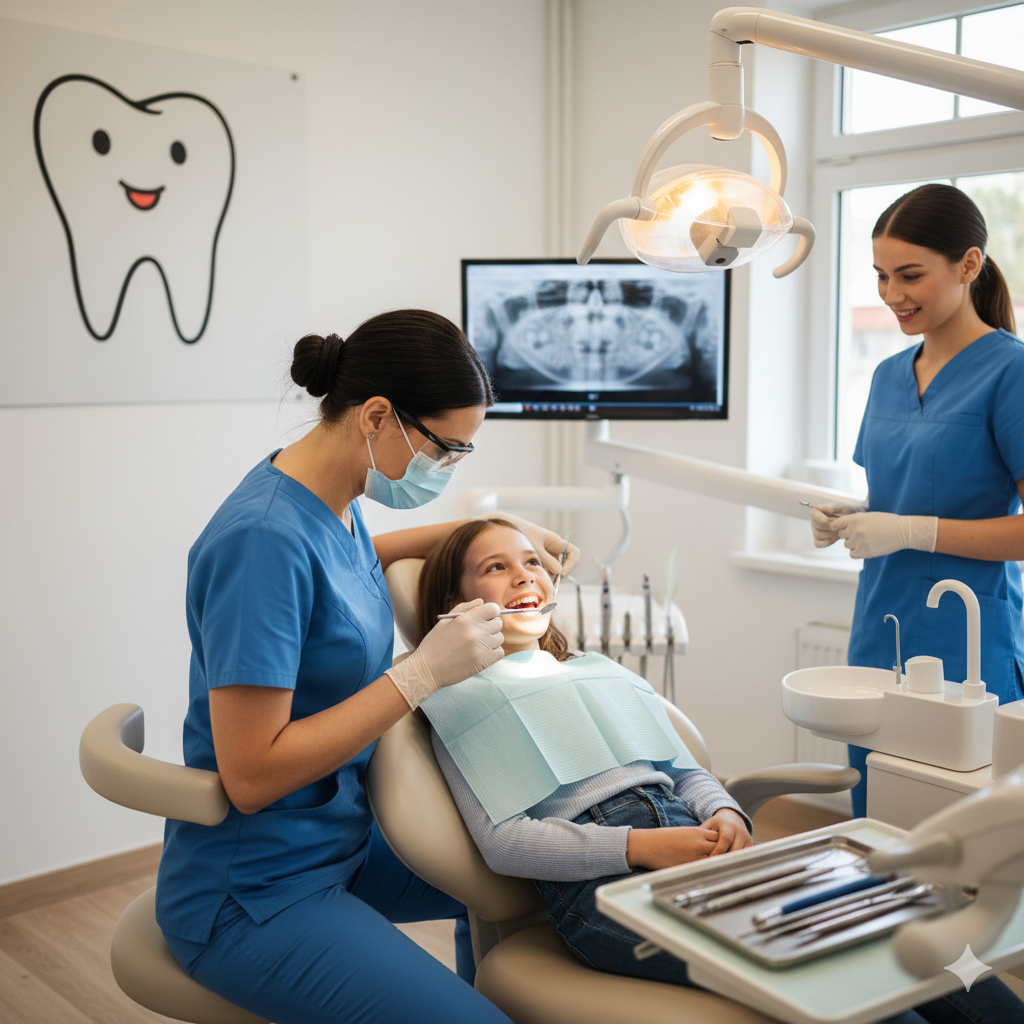
Clear aligners work best when patients make them part of their daily routine. Small habits can make a big difference in comfort, cleanliness, and progress.
- Wear aligners as instructed. Consistent wear is one of the most important factors in treatment progress.
- Store trays in a case. Napkins, pockets, and lunch trays are common places aligners get lost or damaged.
- Clean aligners daily. Use the cleaning method recommended by the dental team and avoid hot water, which may warp the plastic.
- Brush and floss before reinserting. This helps reduce trapped food particles and keeps breath fresher.
- Keep dental checkups. Routine exams and cleanings help monitor gum health, cavities, and overall progress.
- Do not skip retainers after treatment. Teeth can shift after orthodontic treatment, so retention is an important part of maintaining results.
Frequently Asked Questions About Clear Aligners
Are clear aligners painful?
Clear aligners can cause temporary pressure or tenderness, especially when switching to a new set. This discomfort is usually related to tooth movement. Severe pain, sharp edges, or a tray that does not fit properly should be discussed with the dental provider.
Can patients eat with clear aligners in?
Patients are generally instructed to remove clear aligners before eating. Eating with trays in place can damage or stain them. Water is usually the safest drink while aligners are being worn.
How long does clear aligner treatment take?
Treatment time varies widely based on the complexity of the case, how much movement is needed, and how consistently the aligners are worn. A dentist or orthodontic provider can give a personalized estimate after an exam and treatment plan.
Are clear aligners better than braces?
Clear aligners are better for some patients, while braces are better for others. Aligners offer discretion, removability, and easier hygiene. Braces may be more effective for certain complex bite or tooth movement needs. The right choice depends on the individual case.
Will insurance cover clear aligners in Miami?
Some dental insurance plans include orthodontic benefits that may apply to clear aligners, but coverage varies by plan. Patients should verify benefits, lifetime maximums, waiting periods, and age limits before starting treatment.
What happens after clear aligner treatment?
After active tooth movement is complete, patients typically need retainers to help maintain the new tooth positions. Retainer instructions vary, so patients should follow the plan provided by their dental team.
A Straighter Smile Can Start With a Conversation
Clear aligners offer many advantages for patients who want a more discreet, flexible way to improve their smile. From easier brushing and flossing to fewer food restrictions and a natural-looking appearance, the benefits can be meaningful for the right candidate.
For patients in Miami Florida, Dental 123 can help answer questions about clear aligners, candidacy, cost considerations, and next steps. A consultation is the best way to learn whether clear aligners fit a patient’s goals, oral health needs, and lifestyle.
If someone has been wondering whether now is the right time to explore orthodontic treatment, the next step is simple: schedule a conversation with a dental professional, ask questions, and review the options with confidence.
Leave a Reply