A confident smile can influence how someone feels at work, in photographs, and during everyday conversations. For people interested in improving the appearance of their teeth, veneers may offer a way to address several cosmetic concerns at once. Understanding the benefits of veneers in Miami, FL can help patients decide whether this option is worth discussing with a dental professional.
Veneers are thin, custom-made coverings placed over the visible front surfaces of selected teeth. Depending on the case, they may be made from porcelain or a composite resin material. They are generally considered cosmetic dental treatment, so the first step is a careful examination to determine whether the teeth and gums are healthy enough for the procedure.
This guide explains what veneers can and cannot do, what patients may appreciate about them, and what to consider before making a decision.
Important: Veneers are not right for every patient. A dentist must evaluate oral health, tooth structure, bite, habits, and expectations before recommending treatment. This article is educational and does not replace an in-person clinical examination or individualized advice.
What Are the Main Benefits of Veneers?

Veneers can be appealing because they combine cosmetic improvement with a customized treatment plan. The potential benefits depend on the material used, the condition of the teeth, and the dentist’s approach.
1. They can improve several cosmetic concerns at the same time
One of the most recognized benefits of veneers is their ability to address more than one visible concern. A carefully planned veneer treatment may improve the appearance of teeth affected by:
- Deep or uneven discoloration
- Small chips or worn edges
- Minor differences in tooth shape
- Teeth that look slightly uneven in size
- Small spaces between certain teeth
- Mild visual irregularities that do not require orthodontic treatment
Rather than treating each concern separately, a dentist can plan the color, shape, proportion, and placement of the veneers as part of one smile design. That coordinated approach can create a more balanced appearance.
2. Veneers can create a more uniform-looking smile
Natural teeth vary in shade and shape. Some patients prefer a smile with more consistent color, while others want a subtle improvement that still looks natural. Veneers can be designed to complement the patient’s facial features, skin tone, existing teeth, and preferred level of brightness.
A good cosmetic plan does not necessarily mean choosing the whitest possible shade. The goal is usually a smile that looks harmonious rather than artificial. During a consultation, patients can ask how the proposed color will look under different lighting and whether a preview or mock-up is available.
3. They can cover certain stains that may not respond well to whitening
Professional whitening can improve many types of surface and internal tooth discoloration, but it does not produce the same results for every stain. Some discoloration may remain noticeable after whitening. In selected situations, a veneer can cover the visible front surface of a tooth when other cosmetic options are unlikely to provide the desired appearance.
That does not mean veneers should automatically replace whitening. A dentist may recommend whitening first, especially when the concern involves multiple natural teeth. Whitening can also help the dentist choose a veneer shade that blends with the final smile.
4. Treatment can be customized to the patient’s smile
Veneers are not one-size-fits-all. The number of teeth treated, the material, the shade, the edge shape, and the amount of visible tooth coverage can all vary. Some patients may need only one veneer to improve the appearance of a single tooth. Others may discuss several veneers to create more consistent proportions across the front teeth.
Customization is especially important because small changes can affect how a smile looks when the patient speaks, laughs, or rests their face. Patients should feel comfortable explaining whether they want a very subtle result or a more noticeable cosmetic change.
5. Veneers may offer a conservative alternative to more extensive cosmetic work
In appropriate cases, veneers may improve the appearance of a tooth without the more extensive changes associated with some restorative procedures. However, “conservative” does not mean “reversible.” Depending on the material and technique, the dentist may need to remove some enamel to create room for the veneer and achieve a natural contour.
Patients should ask exactly how much tooth structure may be altered and whether a no-preparation or minimal-preparation approach is genuinely suitable. Marketing language can make these options sound interchangeable, but candidacy depends on the individual smile and bite.
6. A planned smile improvement may support confidence
Cosmetic dentistry is not medically necessary for everyone, but appearance can still affect quality of life. Some people feel self-conscious about smiling because of discoloration, chips, or uneven-looking teeth. Improving those concerns may help a patient feel more comfortable in social or professional situations.
The emotional benefit is personal and cannot be guaranteed. A thoughtful consultation should focus on the patient’s goals rather than pressure to pursue treatment.
What Should Miami Patients Consider Before Choosing Veneers?
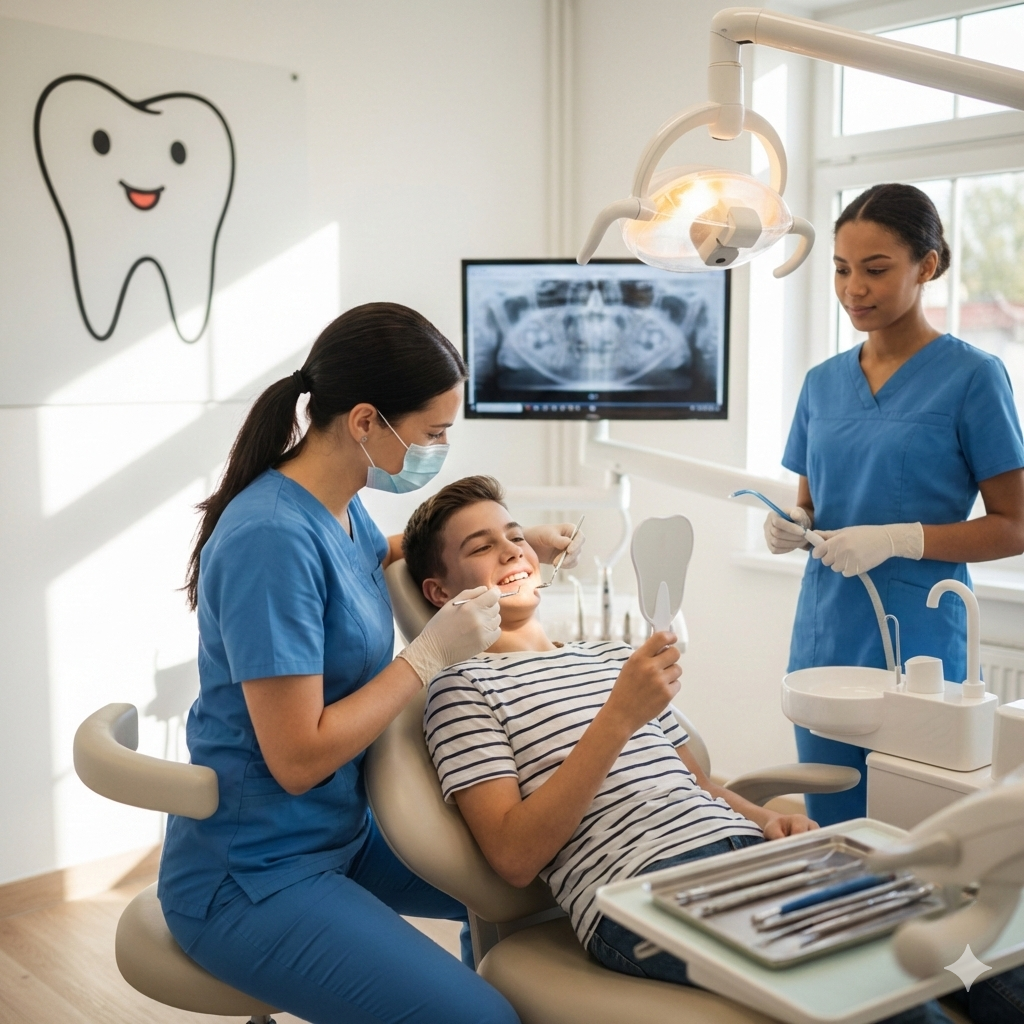
The benefits of veneers need to be weighed against the responsibilities and limitations of treatment. Veneers do not repair every dental problem, and they cannot replace routine preventive care.
Oral health comes first
Untreated cavities, active gum disease, significant enamel loss, or other oral health problems may need attention before cosmetic treatment. A dentist may also assess the bite and look for signs of clenching or grinding. These factors can affect whether veneers are appropriate and how they should be planned.
Veneers do not straighten every type of misalignment
Veneers can sometimes change the appearance of mildly uneven teeth, but they do not move teeth into a new position. Orthodontic treatment may be more suitable when the main concern involves crowding, bite function, or a larger tooth-position problem. In some cases, a dentist may recommend a combination of treatments.
They require continued care
Veneers should be brushed and flossed as directed, and patients should continue regular dental examinations and cleanings. Although veneers cover part of a tooth, the surrounding tooth structure and gumline still need protection from plaque and decay.
Patients should avoid using their teeth to open packages or bite hard non-food objects. Anyone who clenches or grinds may need to discuss protective options with a dentist. If a veneer feels loose, chips, or causes a new bite problem, the patient should contact the dental office rather than trying to repair it at home.
Cost varies from one smile to another
The cost of veneers in Miami can vary according to the material, number of teeth, laboratory process, preparation required, and whether other dental treatment comes first. Local market guides report broad estimates, including approximately $900 to $2,500 per porcelain veneer and different ranges for composite options. These figures are not a quote from Dental 123 and should not be used to predict an individual treatment fee. Patients can review local examples from a Miami porcelain veneer guide and another local treatment overview, then request a written estimate based on their own needs.
A consultation should clarify what the quoted fee includes, such as examinations, temporary restorations if needed, laboratory costs, adjustments, and follow-up visits. Patients should also ask about payment options and what happens if a veneer needs adjustment or replacement later.
Questions to Ask at a Veneer Consultation
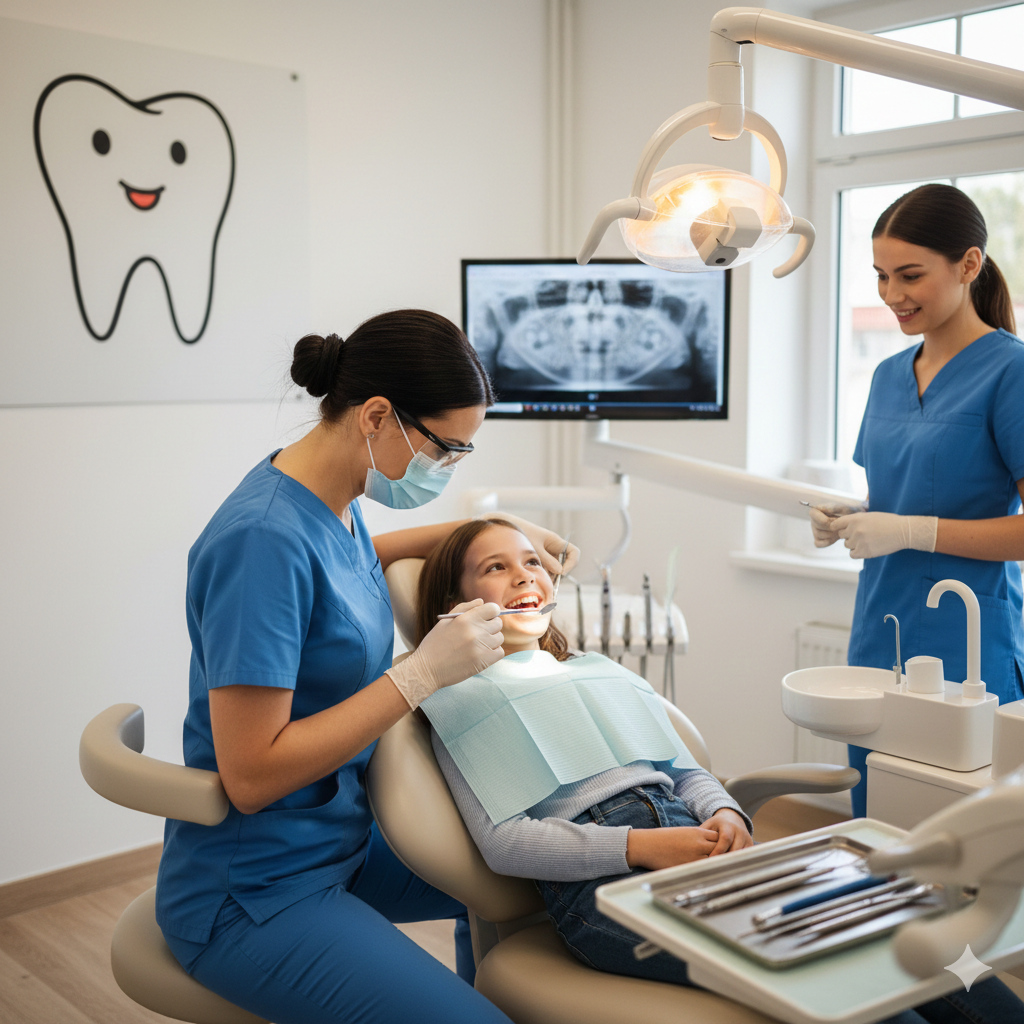
- Am I a good candidate for veneers, or would another option be safer or more predictable?
- What oral health issues need to be treated first?
- Which material do you recommend, and why?
- How much natural tooth structure would need to be altered?
- How many teeth would you recommend treating to meet my goals?
- Can I review examples of similar cases?
- How will the proposed shape and shade be selected?
- What habits could damage the veneers?
- What follow-up care and maintenance should I expect?
- What is included in the total estimate?
Key Takeaways
- Veneers may improve the appearance of discoloration, small chips, uneven shapes, and selected spaces.
- The treatment can be customized by color, shape, material, and number of teeth.
- Veneers are cosmetic coverings, not a substitute for treating cavities, gum disease, or significant bite problems.
- Some veneer procedures involve permanent changes to tooth enamel, so patients should understand the treatment before consenting.
- Cost depends on the patient’s needs and should be discussed through a personalized written estimate.
- Good brushing, flossing, dental visits, and protection from damaging habits help support the smile after treatment.
Frequently Asked Questions About Veneers in Miami, FL
Are veneers a good option for everyone?
No. A dentist must evaluate the teeth, gums, bite, enamel, and cosmetic goals first. Patients with untreated dental disease or heavy grinding may need other care before veneers are considered.
Do veneers look natural?
They can look natural when the shape, thickness, color, and proportions are carefully planned. Patients should discuss their preferred level of brightness and ask how the proposed result will be reviewed before final placement.
Can veneers be whitened later?
Whitening products generally change natural tooth structure, not the color of an existing veneer. It is often helpful to discuss the desired shade before treatment and complete any recommended whitening of natural teeth first.
How long does the veneer process take?
The schedule varies based on the number of teeth, the need for preparatory care, the type of veneer, and laboratory timing. A dental office can explain the expected appointments after examining the patient. Patients should not rely on a general online timeline as a guarantee.
What is the first step for someone considering veneers in Miami?
The first step is a consultation with a qualified dental professional. Patients can contact Dental 123 in Miami Florida to discuss their smile goals, ask questions, and learn whether veneers or another cosmetic option may be appropriate. A careful conversation can help the patient make an informed decision without rushing.
Clinical reminder: Only an in-person dental evaluation can determine whether veneers are safe and suitable for a specific patient. Patients with pain, swelling, bleeding gums, a loose tooth, or a damaged restoration should seek dental advice promptly rather than pursuing cosmetic treatment alone.
Leave a Reply