Healthy smiles start early, and for Miami families, a few simple daily habits can make a big difference. Between school routines, sports, beach days, birthday parties, and busy family schedules, children’s dental care can sometimes feel like one more thing to manage. The good news is that strong teeth do not require a complicated plan. Children benefit most from steady routines, smart food and drink choices, regular dental visits, and a calm, encouraging approach at home.
This guide from Dental 123 shares practical children’s dental care tips Miami, FL parents can use every day. It is designed for general education and should not replace personalized advice from a dentist, pediatrician, or other qualified clinician. If a child has tooth pain, swelling, a dental injury, trouble eating, or a parent has concerns about development, a dental visit is the safest next step.
Key Takeaways for Parents
- Children should begin dental visits by their first birthday or when the first tooth appears.
- Brushing twice daily with fluoride toothpaste helps protect both baby teeth and permanent teeth.
- Miami-Dade families should know that the county stopped adding fluoride during water treatment on May 29, 2025, and Florida utilities were directed to suspend fluoridation beginning July 1, 2025.
- Water, balanced snacks, dental sealants, and custom or well-fitted mouthguards can lower a child’s risk of cavities and injuries.
- Parents should treat tooth pain, swelling, trauma, or visible decay as reasons to schedule a dental appointment promptly.
Why Baby Teeth Matter More Than Many Parents Realize
Baby teeth may be temporary, but they do important work. They help children chew nutritious foods, speak clearly, smile confidently, and hold space for permanent teeth. When a baby tooth develops a cavity, the problem can spread, cause discomfort, affect sleep, and make eating difficult. In some cases, an untreated baby tooth infection can affect the developing adult tooth underneath.
Parents sometimes hear, “It’s just a baby tooth.” A better way to think about it is: baby teeth are training wheels for lifelong oral health. They give children a chance to build brushing habits, learn what a comfortable dental visit feels like, and understand that caring for teeth is a normal part of daily life.
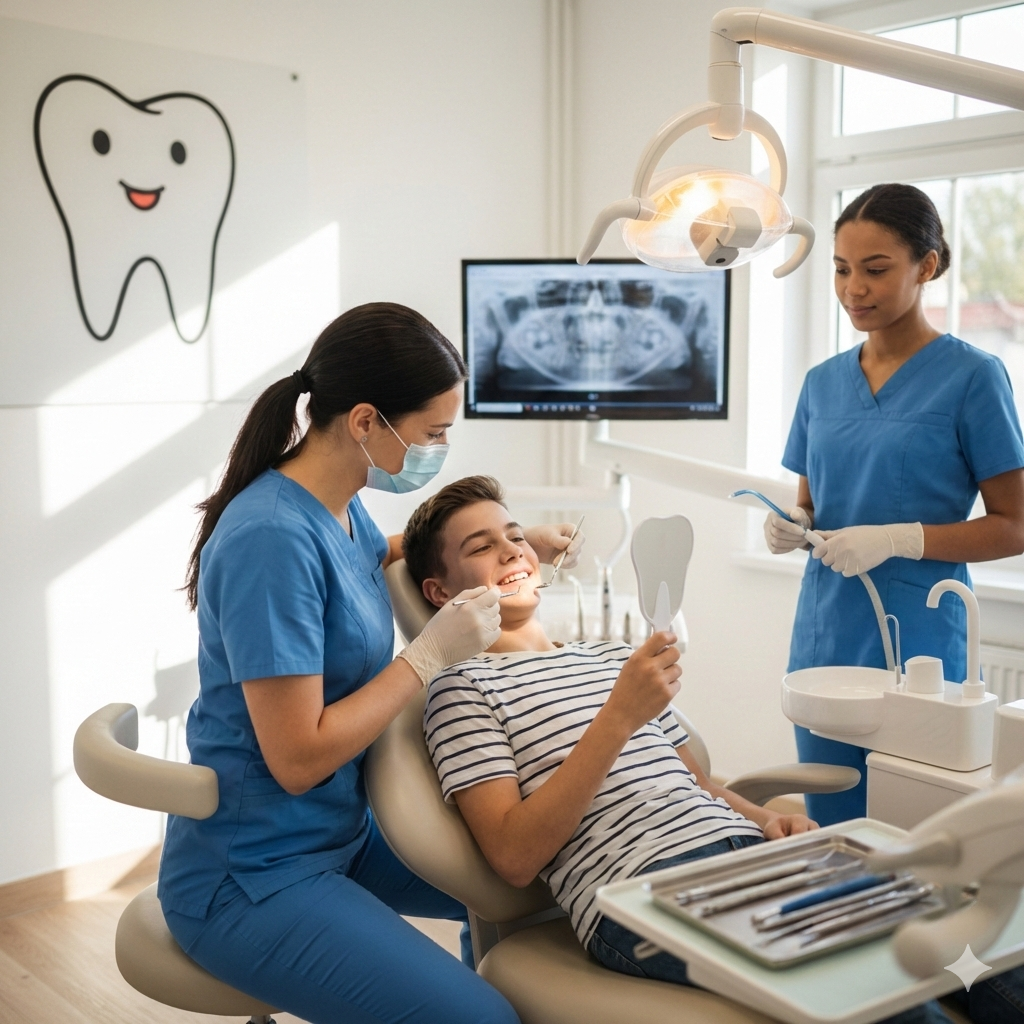
Start Dental Visits Early and Keep Them Positive
The American Academy of Pediatric Dentistry recommends that a child have a first dental visit by age one or within six months after the first tooth appears. Early visits are usually short, gentle, and focused on prevention. The dentist can check tooth eruption, look for early signs of decay, discuss thumb-sucking or pacifier habits, and help parents learn the best way to brush tiny teeth.
For children in Miami, early dental visits are especially helpful because family routines can change quickly with school calendars, summer camps, travel, and sports seasons. A dental home gives parents a trusted place to ask questions before a small concern becomes an urgent problem.
How to Help a Child Feel Comfortable at the Dentist
Parents can help by using simple, positive language. Instead of saying, “It won’t hurt,” which may introduce worry, try saying, “The dentist will count your teeth and help keep your smile strong.” Reading a picture book about dental visits, letting a child bring a favorite small toy, and scheduling appointments when the child is well-rested can also help.
Brush Twice a Day, But Use the Right Amount of Toothpaste
Fluoride toothpaste is one of the easiest ways to help prevent cavities. For children under age 3, parents should use a smear of fluoride toothpaste about the size of a grain of rice. For children ages 3 to 6, a pea-sized amount is usually appropriate. Parents should supervise brushing and encourage children to spit out toothpaste rather than swallow it.
Most children need help brushing until they have the coordination to do a careful job, often around age 7 or 8. A useful rule is that if a child cannot neatly tie shoes or write clearly, they may not yet have the hand skills to clean every tooth surface well. Parents can let the child brush first, then “take a turn” to finish the hard-to-reach areas near the gumline and back molars.
Make Brushing Easier
- Use a soft-bristled child-sized toothbrush.
- Brush for two minutes, twice a day.
- Angle the toothbrush toward the gumline.
- Replace the toothbrush every three to four months, or sooner after illness or fraying.
- Try a timer, song, sticker chart, or brushing app for motivation.
Do Not Forget Flossing
Children need flossing when two teeth touch. A toothbrush cannot clean the tight spaces between teeth, and cavities commonly start there. Floss picks can be easier for parents to use with younger children, especially at bedtime when everyone is tired. The goal is not perfection on the first try. The goal is to make flossing normal and comfortable over time.
If gums bleed during flossing, it may be a sign that plaque has built up around the gumline. Gentle daily flossing often improves this, but bleeding that continues should be checked by a dental professional.
What Miami Families Should Know About Fluoride
Fluoride helps strengthen enamel and makes teeth more resistant to acid attacks from bacteria and sugar. For decades, many communities adjusted fluoride levels in tap water to support dental health. Miami-Dade County reports that it stopped adding fluoride during water treatment effective May 29, 2025, after a county decision. The county also notes that Florida legislation directed public water utilities to suspend fluoridation beginning July 1, 2025.
What does this mean for parents? It does not mean families should panic. It does mean parents may want to ask a dentist whether their child is getting enough cavity protection from fluoride toothpaste, diet, professional fluoride varnish, and other preventive steps. Children with a history of cavities, braces, dry mouth, special healthcare needs, or frequent snacking may need a more individualized prevention plan.
Build Snack Habits That Protect Teeth
Cavities form when bacteria in the mouth feed on sugars and starches, producing acids that weaken enamel. It is not only the amount of sugar that matters. Frequency matters, too. Sipping juice, sports drinks, sweet tea, or soda throughout the day keeps teeth under repeated acid attacks.
In Miami’s warm climate, children often need extra fluids. Water is the best everyday drink, especially between meals, at school, after playground time, and during sports. If a child has juice, parents can keep it with meals rather than allowing all-day sipping. Sticky snacks such as gummies, dried fruit, and chewy candies cling to grooves in teeth and can be harder to wash away.
Tooth-Friendly Snack Ideas
- Cheese cubes or yogurt with no added sugar
- Apple slices, berries, melon, or crunchy vegetables
- Nut butters when age-appropriate and school-safe
- Whole-grain crackers with water
- Hard-boiled eggs or other protein-rich snacks
Ask About Dental Sealants for Back Teeth
Permanent molars have grooves that can trap food and bacteria. Dental sealants are thin protective coatings placed on the chewing surfaces of back teeth. They are commonly recommended for children and teens because they help block cavity-causing buildup in areas that are difficult to clean.
Sealants are quick, non-invasive, and do not require numbing in most cases. A dentist can evaluate when a child’s molars have erupted enough for sealants and whether they are appropriate based on the child’s cavity risk.
Protect Teeth During Miami Sports and Outdoor Activities
Many Miami children participate in soccer, basketball, baseball, football, skating, martial arts, and other activities where dental injuries can happen. A mouthguard can help protect teeth, lips, cheeks, and jaws from impact. Store-bought mouthguards may help, but a dental professional can discuss whether a custom or better-fitted option is appropriate, especially for children who play frequently or have braces.
For beach days, pool time, and summer camps, parents can pack a water bottle and tooth-friendly snacks. If a child drinks a sports drink during long, intense activity, it is helpful to limit frequent sipping and follow with water when possible.
Know the Signs a Child Should See a Dentist
Some dental problems are easy to miss because children may not describe discomfort clearly. Parents should schedule a dental visit if they notice tooth sensitivity, pain when chewing, swollen gums, bad breath that does not improve with brushing, white or brown spots on teeth, a chipped tooth, or bleeding that continues. A toothache, facial swelling, fever with dental pain, or trauma to a permanent tooth should be treated as urgent.
When in doubt, it is better to call and ask. Early attention often keeps treatment simpler and helps children avoid unnecessary discomfort.
FAQ: Children’s Dental Care in Miami, FL
When should a child first go to the dentist?
A child should visit the dentist by the first birthday or within six months of the first tooth coming in. This early visit helps parents learn preventive care and gives the dentist a baseline for growth and development.
How often should children have dental checkups?
Many children benefit from checkups every six months, but some may need a different schedule based on cavity risk, orthodontic needs, medical history, or home care habits. A dentist can recommend the right timing.
Is fluoride toothpaste safe for children?
Fluoride toothpaste is widely recommended when used in the proper amount. Parents should use a rice-sized smear for children under 3 and a pea-sized amount for children ages 3 to 6, with supervision to reduce swallowing.
Are baby teeth worth filling if they fall out later?
Often, yes. Baby teeth help with chewing, speech, and spacing for permanent teeth. Whether a cavity needs a filling, monitoring, or another treatment depends on the child’s age, the tooth, symptoms, and the size of the cavity.
What should parents do if a child knocks out a permanent tooth?
This is a dental emergency. Parents should hold the tooth by the crown, avoid scrubbing the root, and seek urgent dental care right away. If possible, the tooth may be placed in milk or a tooth preservation solution while traveling to the dentist.
A Healthy Smile Can Start With Small Steps
Children do not need perfect routines to have healthier teeth. They need consistent support, patient reminders, and a dental team that helps families feel informed rather than judged. Brushing twice daily, flossing where teeth touch, choosing water often, limiting frequent sugary snacks, and keeping regular dental visits can all help children build confidence in their smiles.
Dental 123 welcomes Miami families who have questions about children’s oral health, preventive care, tooth pain, dental anxiety, or the next best step for a child’s smile. A friendly conversation with a dental professional can help parents feel more prepared and help children feel more comfortable in the dental chair.
Leave a Reply