Living in Miami comes with plenty of reasons to smile: sunny weather, beach days, cafecito with friends, family gatherings, and year-round outdoor activities. But the same busy lifestyle that makes Miami exciting can also make it easy for dental care to slip down the priority list.
The good news is that a healthy smile does not require a complicated routine. Most people can protect their teeth and gums with a few consistent habits, regular dental visits, and small lifestyle choices that fit naturally into everyday life.
These general dentistry tips for Miami residents are designed to help patients understand what matters most: prevention, comfort, early care, and making informed decisions with a trusted dental team.
This article is for general educational purposes only and should not replace personalized advice from a dentist or healthcare professional. Anyone with tooth pain, bleeding gums, swelling, injury, or concerns about treatment should schedule a dental evaluation.
Key Takeaways
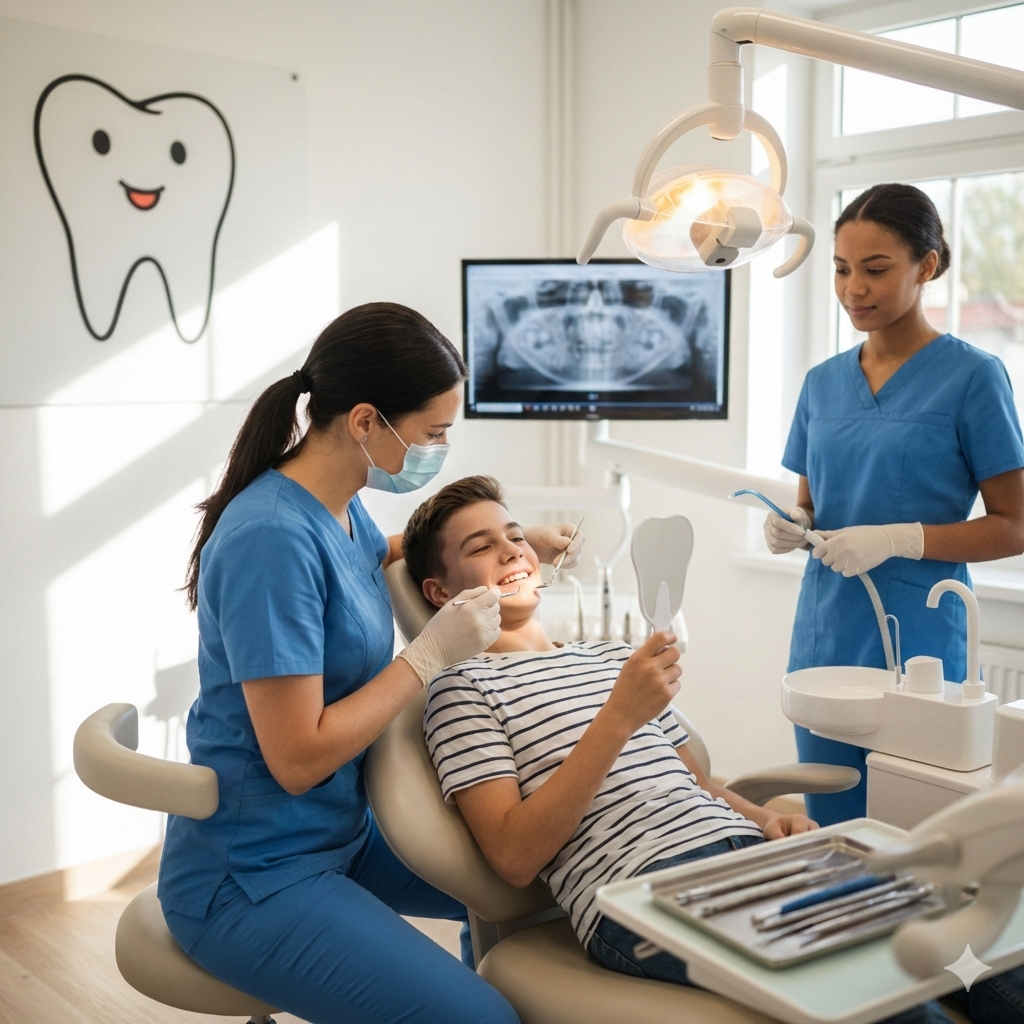
- Brush twice daily with fluoride toothpaste and clean between teeth once a day.
- Miami residents who drink mostly bottled or filtered water should ask their dentist whether they are getting enough fluoride protection.
- Hot weather, sports, coffee, citrus, and sugary drinks can affect oral health, so hydration and moderation matter.
- Regular dental checkups help catch cavities, gum disease, cracked teeth, and oral health changes early.
- Small symptoms, such as sensitivity or bleeding gums, should not be ignored.
Why General Dentistry Matters for Miami Patients
General dentistry focuses on keeping the mouth healthy over time. It includes preventive care, exams, cleanings, cavity detection, gum health monitoring, fillings, crowns, oral cancer screenings, and guidance for home care.
For many patients, general dentistry is the foundation of long-term dental wellness. A general dentist helps identify small issues before they become painful, expensive, or more complicated. That matters because tooth decay and gum disease often start quietly. A person may feel completely fine while plaque, tartar, enamel wear, or gum inflammation is developing.
In a city like Miami, patients also have a few local lifestyle factors to consider. Warm weather can increase the risk of dehydration. Iced coffee, sweet tea, soda, sports drinks, and citrus-based beverages are common choices. Beach sports, boating, biking, and weekend activities can increase the chance of dental injuries. None of these habits mean someone is doing anything “wrong,” but they do make prevention especially helpful.
Build a Simple Daily Routine That Actually Works
A strong dental routine should be realistic. Patients do not need a drawer full of products or a complicated 20-minute process. What matters most is consistency and technique.
Brush twice a day, not aggressively
Patients should brush twice daily using a soft-bristled toothbrush and fluoride toothpaste. The goal is not to scrub harder; it is to clean gently and thoroughly. Brushing too forcefully can irritate the gums and contribute to enamel or root surface wear over time.
A helpful approach is to angle the toothbrush toward the gumline and use small, gentle circles or short strokes. Most patients benefit from brushing for about two minutes. Electric toothbrushes can be useful, especially for people who tend to rush, brush too hard, or have limited hand mobility.
Clean between teeth once a day
Toothbrush bristles cannot fully clean the tight spaces between teeth. That is where floss, floss picks, interdental brushes, or water flossers can help. The best option is the one a patient will use consistently.
If traditional floss feels awkward, a dentist or hygienist can show easier techniques. Some patients with bridges, braces, implants, or gum recession may need special tools to clean around dental work properly.
Do not forget the tongue
The tongue can hold bacteria and food debris, which may contribute to bad breath. Brushing the tongue gently or using a tongue scraper can make the mouth feel fresher, especially after coffee, garlic-heavy meals, or spicy foods.
Think About Fluoride, Especially If Bottled Water Is the Norm
Fluoride helps strengthen enamel and make teeth more resistant to cavities. For many people, fluoride comes from toothpaste and, depending on the water source, drinking water.
Some Miami residents drink mostly bottled water, purified water, or heavily filtered water. That can be perfectly fine for hydration, but not every bottled or filtered water source contains the same amount of fluoride. Patients who rarely drink tap water should mention this during dental visits. A dentist can help determine whether fluoride toothpaste is enough or whether additional preventive options, such as fluoride varnish or prescription-strength toothpaste, may be appropriate.
Families with young children should be especially thoughtful about fluoride. Too little fluoride may reduce cavity protection, while too much during tooth development can affect enamel appearance. A pediatric dentist or family dentist can help parents choose the right balance based on the child’s age, cavity risk, and water habits.
Make Miami Food and Drink Habits More Tooth-Friendly
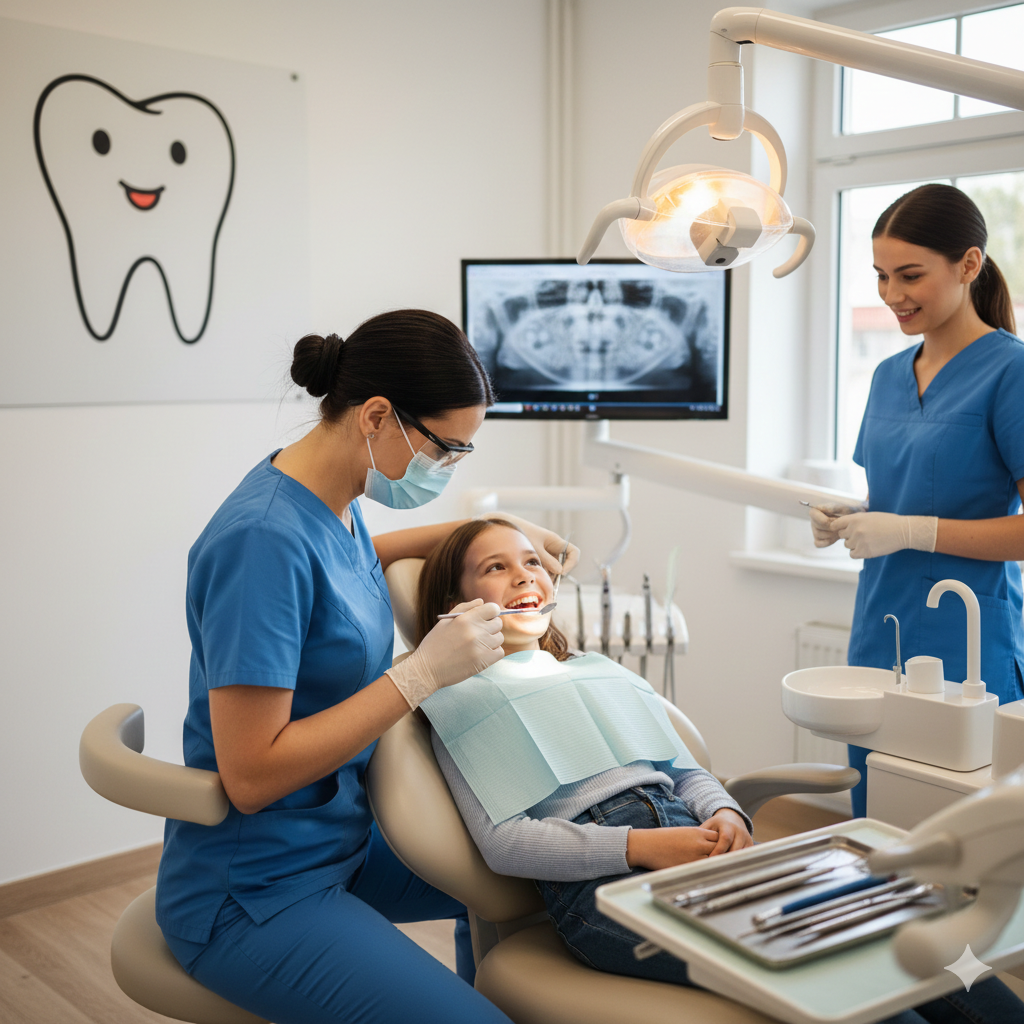
Miami’s food culture is one of the best parts of living here. Patients do not need to give up favorite meals or drinks to have healthy teeth. The key is understanding how timing, sugar, acidity, and hydration affect the mouth.
Watch sipping and snacking frequency
Cavities are not caused only by how much sugar someone consumes. Frequency matters too. Sipping sweet coffee, soda, juice, or sports drinks over several hours gives mouth bacteria repeated fuel. Acidic drinks can also soften enamel temporarily.
A more tooth-friendly habit is to enjoy sweet or acidic beverages with meals instead of sipping them all day. Rinsing with water afterward can also help. Patients should wait a bit before brushing after acidic drinks, because enamel may be temporarily softened.
Hydrate in the heat
Miami heat can make dehydration more likely, especially during outdoor work, exercise, boating, or beach days. Dry mouth is more than uncomfortable; saliva helps wash away food particles, neutralize acids, and protect teeth.
Water is the best everyday drink for the mouth. Sugar-free gum with xylitol may also help stimulate saliva for some patients, particularly after meals when brushing is not possible.
Choose snacks that support oral health
Crunchy vegetables, cheese, nuts, plain yogurt, and protein-rich snacks are generally more tooth-friendly than sticky candies, cookies, or frequent sugary snacks. Sticky foods can cling to grooves and between teeth, making it easier for plaque bacteria to produce acid.
Schedule Dental Visits Before Problems Feel Urgent
Many patients wait until something hurts before calling a dentist. While understandable, this often means a problem has had time to progress. Routine dental visits allow the dental team to remove hardened tartar, check for cavities, evaluate gum health, screen for oral tissue changes, and discuss any changes in bite, sensitivity, or dental work.
Some patients do well with visits every six months. Others may need more frequent care, especially if they have gum disease, frequent cavities, dry mouth, diabetes, tobacco use, orthodontic appliances, or a history of extensive dental work. A dentist can recommend a schedule based on individual risk rather than a one-size-fits-all rule.
Pay Attention to Early Warning Signs
Dental issues are often easier to treat when they are found early. Miami residents should schedule an evaluation if they notice:
- Tooth sensitivity that lingers or gets worse
- Bleeding gums when brushing or flossing
- Persistent bad breath
- Pain when chewing
- A chipped, cracked, or loose tooth
- Swelling near the gums, jaw, or face
- Changes in the fit of a bite, retainer, denture, or nightguard
- Mouth sores that do not heal
Bleeding gums are common, but they are not something patients should ignore. They may be related to plaque buildup, inflammation, brushing technique, medications, hormonal changes, or gum disease. A dental professional can identify the cause and recommend the right next step.
Protect Teeth During Sports, Grinding, and Nighttime Habits
Miami’s active lifestyle is great for overall health, but teeth need protection too. Patients who play contact sports, bike, skateboard, box, or participate in high-impact activities may benefit from a mouthguard. A custom mouthguard from a dental office often fits more comfortably and securely than many over-the-counter options.
Nighttime grinding or clenching is another common issue. Some patients wake up with jaw soreness, headaches, tooth sensitivity, or flattened tooth edges. Others do not notice symptoms until a dentist sees signs of wear. A nightguard may help protect teeth, but it should be properly fitted and paired with a conversation about possible contributing factors, such as stress, bite changes, sleep issues, or lifestyle habits.
Keep Dental Work Healthy for the Long Run
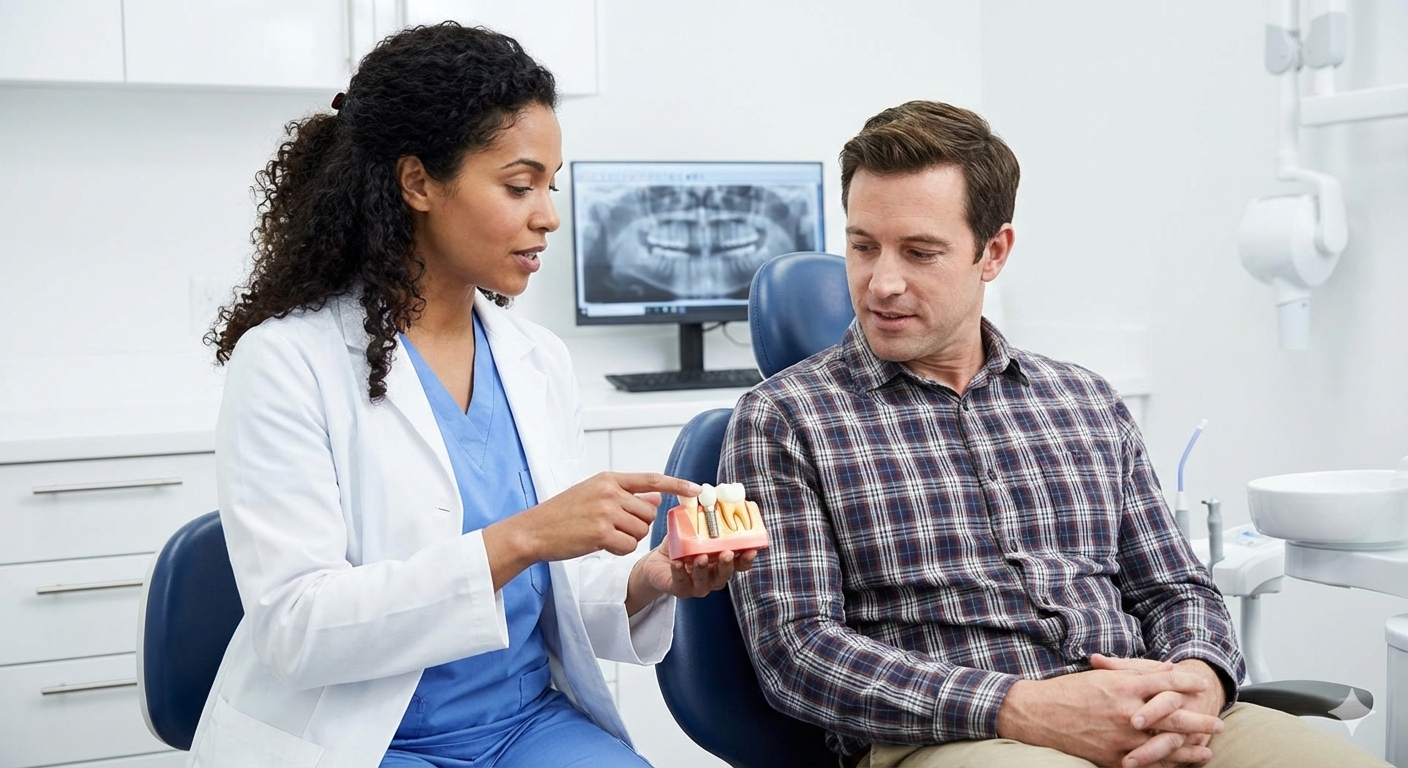
Fillings, crowns, implants, veneers, bridges, and dentures all need maintenance. Dental work is strong, but it is not maintenance-free. Cavities can form around the edges of restorations, gums can become inflamed around crowns or implants, and appliances can wear or loosen over time.
Patients should clean carefully around dental work and keep up with recommended exams. If something feels rough, loose, high when biting, or difficult to clean, it is better to ask early than wait for discomfort.
Comfort Matters: Modern Dentistry Is More Patient-Friendly Than Many Expect
Some people delay dental care because of fear, embarrassment, or past negative experiences. A caring dental team understands this. Modern general dentistry places a strong focus on comfort, communication, and patient control.
Patients can ask for breaks, request explanations before treatment, discuss numbing options, and share concerns about sensitivity or anxiety. No one should feel judged for the condition of their teeth. The goal of a good dental visit is to help the patient move forward with clear information and supportive care.
FAQ: General Dentistry Tips for Miami Residents
How often should Miami residents visit the dentist?
Many patients visit every six months, but the right schedule depends on gum health, cavity risk, medical conditions, dental history, and home care habits. A dentist can recommend a personalized interval.
Is bottled water bad for teeth?
Bottled water is not “bad,” and staying hydrated is important. However, some bottled waters contain little or no fluoride. Patients who drink mostly bottled or purified water should ask their dentist whether they need additional fluoride protection.
Why do gums bleed when brushing or flossing?
Bleeding gums may be a sign of inflammation, plaque buildup, gum disease, brushing too hard, medication effects, or other factors. If bleeding continues for more than a few days or happens regularly, it is best to schedule a dental evaluation.
Are electric toothbrushes better than manual toothbrushes?
Both can work well when used correctly. Electric toothbrushes may help patients who brush too quickly, press too hard, or have trouble reaching certain areas. The most important factors are using fluoride toothpaste, brushing twice daily, and cleaning all tooth surfaces gently.
What should someone do for a chipped tooth in Miami?
A chipped tooth should be evaluated by a dentist, even if it does not hurt. If there is pain, swelling, bleeding, or a large break, the patient should seek prompt dental care. Until the visit, they can avoid chewing on that side and keep any broken tooth fragment if available.
Can dental cleanings whiten teeth?
Professional cleanings can remove surface stains from coffee, tea, tobacco, or certain foods, which may make teeth look brighter. However, cleanings are not the same as whitening treatments. Patients interested in a brighter smile can ask about safe whitening options.
A Healthier Smile Starts With Small, Consistent Steps
Healthy teeth and gums are built through everyday habits: brushing, cleaning between teeth, drinking water, limiting frequent sugar exposure, wearing protection when needed, and seeing a dentist regularly. For Miami residents, a few local adjustments—such as staying hydrated in the heat, being mindful with sweet drinks, and checking fluoride habits—can make a meaningful difference.
Dental 123 encourages patients to ask questions, share concerns, and schedule preventive visits before small issues become urgent. A comfortable, confident smile is easier to maintain when patients have a friendly dental team helping them along the way.
Leave a Reply