A missing tooth can affect much more than a smile. It may make chewing uncomfortable, change how a person speaks, or leave them feeling self-conscious in photographs and conversations. For many patients researching dental implants Miami FL, the biggest questions involve comfort, treatment time, cost, and whether implants are the right choice.
Dental implants offer a stable way to replace one tooth, several teeth, or an entire dental arch. However, implant treatment is highly individualized. Bone health, gum condition, medical history, and the type of restoration all influence the treatment plan.
This article provides general educational information and is not a diagnosis or a substitute for care from a licensed dentist. A clinical examination and appropriate imaging are necessary to determine whether dental implants are suitable for an individual patient.
What Is a Dental Implant?
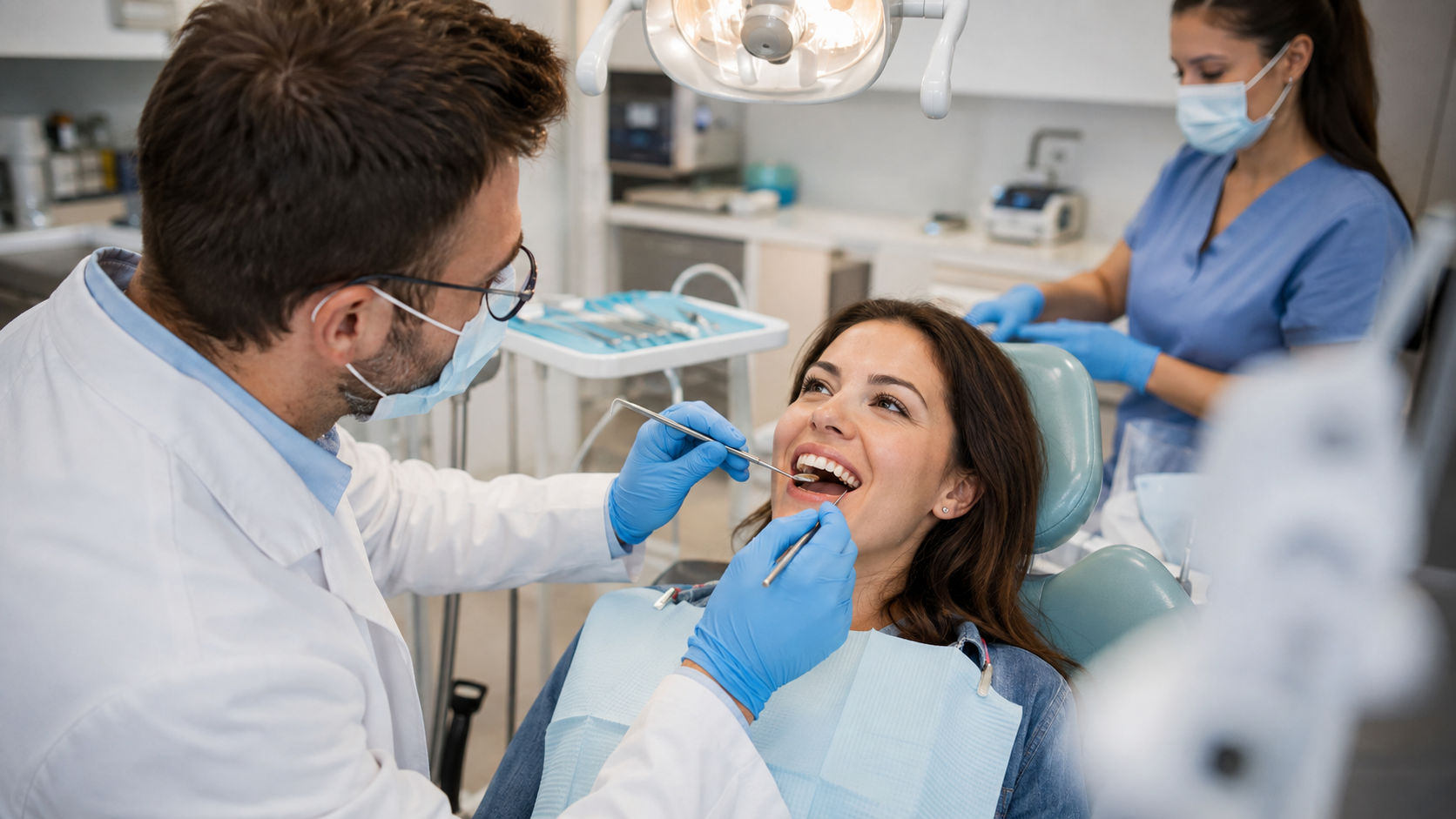
A dental implant is a small post placed in the jawbone to support a replacement tooth. Most implant restorations have three main parts:
- The implant: The post positioned in the jawbone.
- The abutment: The connector between the implant and the visible restoration.
- The restoration: A crown, bridge, or denture designed to look and function like teeth.
After placement, the surrounding bone must form a stable connection with the implant through a process called osseointegration. Research on implant surfaces and bone response helps explain why proper healing and stability are central to treatment, although results vary by patient and implant site. Clinical research on osseointegration also shows that implant design is only one part of a successful outcome.
Unlike a traditional bridge, a single implant generally does not require the dentist to use neighboring teeth as supports. Unlike a removable denture, an implant-supported restoration receives support from implants anchored in the jaw. The best approach depends on the number of missing teeth, the condition of the remaining teeth, and the patient’s priorities.
Who May Be a Candidate for Dental Implants?
Many adults with missing or severely damaged teeth may be evaluated for implants. Age alone does not automatically determine eligibility. Dentists focus more closely on oral health, healing capacity, available bone, and the person’s ability to maintain the restoration.
A favorable candidate will generally have:
- Healthy gums or gum disease that can be treated and controlled
- Enough jawbone to support an implant, or the possibility of bone grafting
- A commitment to brushing, interdental cleaning, and professional maintenance
- Medical conditions that are appropriately managed
- Realistic expectations about treatment, healing, and long-term care
Smoking, uncontrolled health conditions, poor nutrition, and inconsistent oral hygiene may interfere with healing or increase the likelihood of complications. Research also identifies overall health and lifestyle factors as important parts of implant planning. A review of implant survival factors emphasizes the need for a careful medical and dental history before treatment.
Patients should tell the dentist about all prescriptions, supplements, tobacco or nicotine use, previous radiation therapy, gum disease, and conditions that affect healing. These factors do not always rule out implants, but they may change the timing or recommended approach.
What the Dental Implant Process Involves
Implant treatment takes place in stages. The full process should not be confused with the shorter period of soreness that may follow surgery.
1. Consultation and treatment planning
The dentist examines the teeth and gums, reviews the patient’s medical history, and uses dental imaging to evaluate the jawbone and nearby structures. The planning visit is also the time to discuss alternatives, anticipated fees, sedation options, and the expected sequence of care.
2. Preparation, when needed
Some patients need treatment before implant placement. This may include removing a damaged tooth, managing gum disease, or rebuilding an area of deficient bone. Not everyone needs bone grafting, and the extent of preparation can only be determined after an examination.
3. Implant placement
During placement, the area is numbed and the implant is carefully positioned in the jaw. Comfort options vary by office and case. Patients who feel anxious should ask in advance about local anesthesia, sedation, aftercare, and transportation requirements.
4. Early symptom recovery
The first phase after surgery concerns symptoms such as tenderness, swelling, minor bleeding, or temporary eating limitations. These effects should gradually improve rather than become more severe. Early symptom recovery is not the same as complete healing.
A patient should contact the treating dentist if pain or swelling is worsening, bleeding cannot be controlled, a fever develops, or the implant area feels unusually loose. Severe swelling, trouble breathing, or trouble swallowing requires urgent medical attention.
5. Soft-tissue healing and osseointegration
As the gum tissue closes and settles, the deeper bone-to-implant connection continues developing. Soft-tissue healing and osseointegration are separate processes, and the deeper integration phase generally continues well beyond the initial period of soreness.
The dentist decides when an implant is ready to support the planned restoration. That decision depends on implant stability, bone quality, the location in the mouth, any grafting, and how the area is responding.
6. Final restoration
Once the implant is considered ready, the abutment and custom crown, bridge, or denture can be completed. This marks the restorative phase of care. The entire treatment is not finished simply because the surgical area feels comfortable.
How Much Do Dental Implants Cost in Miami?
The cost of dental implants in Miami can vary widely. A price advertised as “one implant” may refer only to the implant post, while a complete-tooth estimate may include the post, abutment, and crown.
One published Miami pricing guide lists a typical range of approximately $3,500 to $6,000 for a complete single implant, with substantially higher totals for full-arch treatment. These figures are general market examples, not Dental 123 fees or guaranteed prices. Promotions, provider experience, materials, case complexity, and included services can all affect the quote.
Common cost factors include:
- The number and location of missing teeth
- Whether the quote includes the implant, abutment, and final restoration
- Extractions, grafting, or treatment for gum disease
- The type and material of the crown, bridge, or denture
- Imaging, surgical guides, anesthesia, and temporary teeth
- Follow-up appointments and maintenance provisions
Before comparing prices, patients should request an itemized written estimate. It is helpful to ask what happens if additional treatment becomes necessary and whether the office will submit a pre-treatment estimate to the dental insurance company. Insurance coverage varies by plan, and financing should be reviewed carefully for interest, fees, and repayment terms.
Benefits and Limitations to Consider
Implants can provide firm support for replacement teeth and may feel more natural than some removable options. They can also help avoid placing a conventional bridge over otherwise healthy neighboring teeth.
However, implants are not maintenance-free or permanent in every case. Long-term clinical research shows that implants can perform well, but biological and restorative complications still occur. Long-term implant research notes that patients may require maintenance or treatment for problems involving the surrounding tissue or implant-supported restoration.
Possible concerns include infection, inadequate integration, gum recession, inflammation around the implant, bone loss, damage to the crown or other prosthetic components, and the need for future repair. The dentist should explain risks that are specific to the planned implant location and the patient’s health.
Caring for Dental Implants
A dental implant cannot develop a cavity, but plaque can still collect around it and inflame the surrounding gums. The nearby natural teeth also remain vulnerable to decay and gum disease.
Long-term care usually includes:
- Brushing thoroughly at least twice a day
- Cleaning around and between the implant restoration as instructed
- Attending recommended examinations and professional cleanings
- Avoiding tobacco and nicotine products
- Using a nightguard if the dentist identifies harmful clenching or grinding
- Reporting bleeding, swelling, a bad taste, or looseness promptly
The exact cleaning tools depend on the restoration. A single crown may need floss or an interdental brush, while an implant bridge or full-arch restoration may require specialized threaders, brushes, or a water flosser.
How to Compare Implant Dentists in Miami
A good consultation should feel informative rather than rushed. Patients comparing Miami implant providers can ask:
- Who will plan, place, and restore the implant?
- What training and experience does the clinician have with similar cases?
- What imaging is needed, and why?
- Are bone grafting or extractions expected?
- Will a temporary tooth be available?
- What is included in the written fee estimate?
- What follow-up and emergency support are provided?
- What alternatives are available if an implant is not recommended?
Patients should be cautious about choosing care based only on the lowest advertised price. Clear communication, careful planning, infection-control practices, restoration quality, and access to follow-up care also matter.
Frequently Asked Questions
Are dental implants painful?
The placement area is typically numbed during treatment. Some tenderness and swelling may occur afterward, but the experience varies with the procedure and the individual. The treating dentist should provide personalized instructions for managing discomfort and explain which symptoms require a call.
How long does the entire implant process take?
There is no single timeline for every patient. The full process includes planning, any preparatory care, surgical placement, soft-tissue healing, osseointegration, and completion of the final restoration. Grafting, health conditions, implant location, and restoration type may affect the schedule.
Can a tooth be placed on the same day as the implant?
Some patients may qualify for a temporary restoration at or near the time of implant placement. This does not mean the implant has completed osseointegration or that the final restoration is finished. Immediate loading depends on stability, bite forces, bone condition, and case selection.
Are implants better than bridges or dentures?
No option is best for every person. Implants may offer stability and preserve neighboring tooth structure in some cases, while a bridge or removable denture may be more appropriate in others. Cost, health, anatomy, treatment time, and personal preferences should all be considered.
What if there is not enough bone?
Bone grafting may sometimes create a more suitable foundation, but it is not appropriate or necessary for everyone. Alternative implant designs or non-implant restorations may also be discussed after imaging and examination.
Taking the Next Step
Choosing dental implants is a personal decision that deserves a complete evaluation and a clear explanation of options. Patients searching for dental implants in Miami, FL, should look beyond a promotional price and ask about the complete treatment plan, expected healing phases, risks, maintenance, and alternatives.
Dental 123 welcomes questions about oral health and next steps. Contact the practice to ask whether an implant consultation is available and what information to bring to the appointment. A thoughtful conversation with a qualified dental professional is the best way to determine which tooth-replacement option fits an individual smile.
Leave a Reply