A bright, balanced smile can make a meaningful difference in how someone feels in photos, at work, or during everyday conversations. For patients bothered by discoloration, small chips, uneven edges, or minor gaps, dental veneers may offer a way to improve several cosmetic concerns at once.
Veneers are thin, custom-made coverings placed over the visible surfaces of selected teeth. They are designed to complement a patient’s facial features, existing teeth, and personal preferences rather than create a one-size-fits-all smile.
Understanding the benefits of veneers in Miami, FL also means understanding their limitations. Veneers are not appropriate for every patient, and some types require permanent changes to natural tooth structure. A careful dental evaluation is therefore an essential first step.
Key Takeaways

- Veneers can address several cosmetic concerns, including stubborn discoloration, small chips, uneven shapes, and minor spacing.
- Each veneer can be customized for color, contour, size, and overall smile balance.
- Porcelain and composite options differ in cost, appearance, maintenance, stain response, and repairability.
- Some veneer procedures require enamel removal and cannot be reversed.
- Healthy teeth, healthy gums, and a stable bite are important before cosmetic treatment begins.
- A personalized consultation is the best way to compare veneers with whitening, bonding, orthodontics, or other options.
What Are Dental Veneers?
Dental veneers are cosmetic restorations that cover the front surfaces of teeth. They are most commonly placed on teeth that show when a person smiles, although the recommended number varies according to the smile line and treatment goals.
Veneers are generally made from porcelain or tooth-colored composite material. Porcelain veneers are fabricated to match an approved smile design and then bonded to the teeth. Composite veneers may be shaped directly on the teeth or prepared outside the mouth, depending on the technique used.
The goal is not simply to make teeth look whiter. Thoughtful veneer treatment considers tooth proportions, edge position, symmetry, lip movement, gum contours, and how the upper and lower teeth meet.
What Are the Main Benefits of Veneers?
They Can Improve Several Cosmetic Concerns at Once
One of the most appealing benefits of veneers is their versatility. A carefully planned set may improve multiple visible concerns in the same treatment plan, such as:
- Discoloration that does not respond as desired to whitening
- Small chips or worn-looking edges
- Teeth that appear short, narrow, or uneven
- Minor gaps between teeth
- Slight visual asymmetry
- Older cosmetic bonding with an uneven appearance
However, veneers only change the visible surfaces of teeth. They do not treat active cavities, gum disease, infections, or major bite problems.
They Are Highly Customizable
Natural teeth contain subtle variations in color, translucency, texture, and shape. Well-planned veneers can incorporate those details so the result suits the individual rather than looking overly uniform.
Some patients want a bright and polished smile, while others prefer a softer shade and more natural variation. During planning, the dentist and patient can discuss tooth length, brightness, edge shape, symmetry, and how much natural character to preserve.
They May Provide a More Balanced Smile
Even small differences in tooth length or shape can affect the overall appearance of a smile. Veneers may create more consistent proportions across visible teeth while maintaining harmony with the lips and face.
Balanced does not have to mean perfectly identical. Slight natural differences can help a cosmetic result look more believable and personal.
They Can Cover Certain Types of Stubborn Discoloration
Professional whitening can improve many common stains, but not every type of discoloration responds equally. Veneers may be considered when a suitable candidate wants to mask color differences that whitening is unlikely to correct predictably.
A dentist should still identify why a tooth has changed color. In some situations, discoloration may signal a dental issue that needs evaluation before cosmetic work begins.
They Can Support a Conservative, Targeted Plan
Veneers cover the front of selected teeth rather than surrounding the entire tooth like crowns. Depending on the clinical situation, this may allow the dentist to take a more targeted approach to changing appearance.
That does not mean every veneer is minimally invasive or reversible. The amount of preparation depends on the tooth’s position, the material selected, existing restorations, and the desired change. Patients should ask exactly how much enamel would need to be altered in their case.
They Are Designed for Everyday Comfort
Veneers are shaped to feel smooth and blend into the smile. After placement and any necessary adjustments, they should not feel bulky or interfere with normal speaking and chewing.
Comfort depends on precise planning, bonding, contours, and bite adjustment. A patient who notices persistent discomfort, a rough edge, sensitivity, or a change in the bite should contact the treating dentist rather than waiting for the concern to resolve on its own.
Porcelain vs. Composite Veneers
Both porcelain and composite veneers can improve tooth color and shape, but they are not interchangeable.
Porcelain Veneers
Porcelain can reproduce the reflective and translucent qualities associated with natural enamel. These veneers are custom fabricated and bonded to the prepared teeth. Treatment may involve temporary restorations while the final veneers are being made.
Porcelain is not indestructible. A veneer can chip, crack, or loosen, particularly when exposed to heavy biting forces or habits such as chewing ice.
Composite Veneers
Composite uses tooth-colored resin that a dentist can shape to improve the visible surface of a tooth. In selected cases, it may require less tooth alteration and may be easier to modify or repair. It can also respond differently to staining and wear than porcelain.
The better option depends on the number of teeth involved, the size of the desired changes, the bite, the condition of the enamel, maintenance expectations, and budget. A dentist can explain the tradeoffs using examples relevant to the patient’s smile.
Who May Be a Candidate for Veneers?
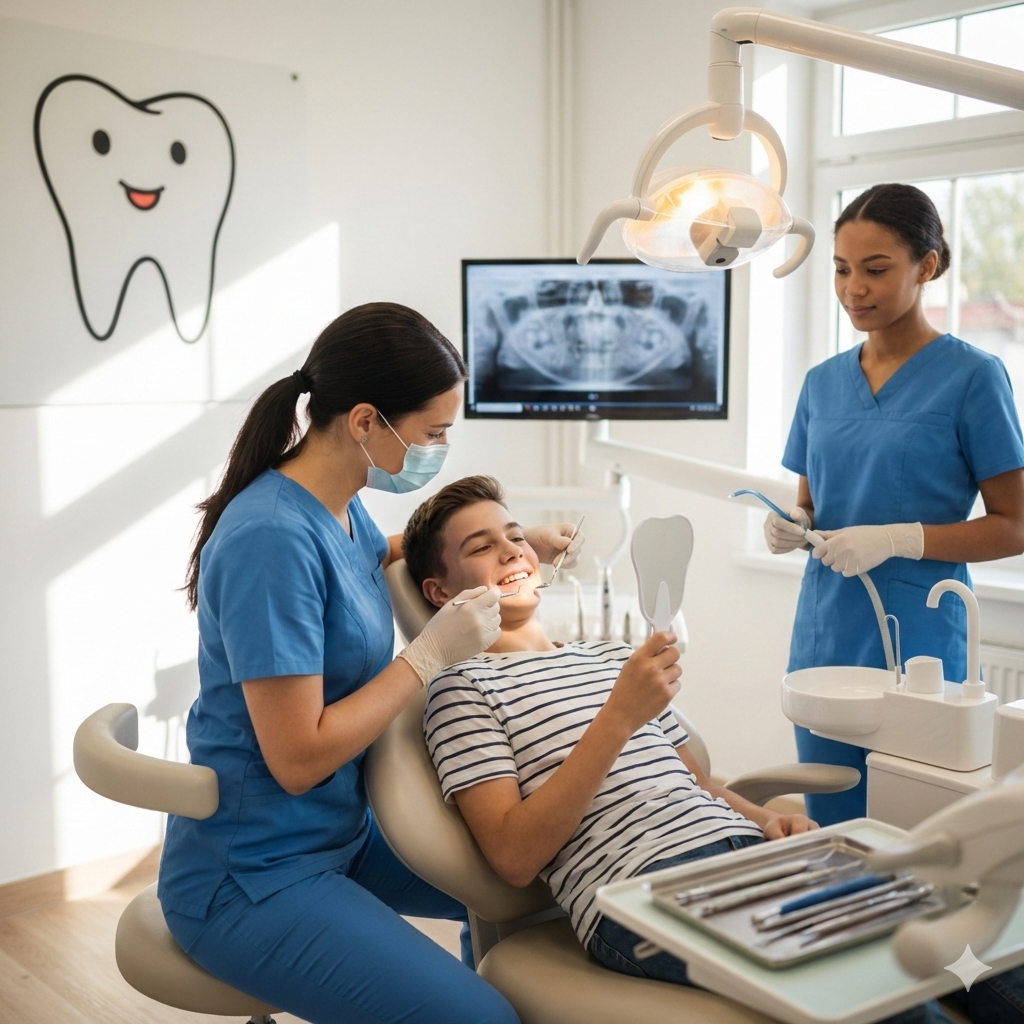
A possible candidate typically has cosmetic concerns involving otherwise treatable or healthy teeth and understands that veneers require ongoing care. Before recommending treatment, a dentist may examine:
- Tooth enamel and existing fillings
- Gum health and gum position
- Cavities, cracks, or signs of infection
- The way the teeth meet during biting and movement
- Clenching or grinding habits
- Oral hygiene and cavity risk
- Expectations for color, shape, and symmetry
Someone with untreated decay, active gum disease, limited enamel, significant tooth damage, or a difficult bite may need other care first. Patients who grind their teeth may also require bite management or a protective appliance. In certain cases, bonding, whitening, orthodontic treatment, or a crown may be more appropriate than veneers.
What Happens During the Veneer Process?
Treatment begins with a consultation rather than tooth preparation. The patient explains what feels out of balance, and the dentist evaluates oral health, bite function, and cosmetic goals. Photographs, scans, impressions, or X-rays may be recommended based on the situation.
The planning stage may include a digital design, model, or trial preview. These tools can help patients communicate preferences, but they should be viewed as planning aids rather than promises of an identical result.
If treatment moves forward, the teeth are prepared as needed and records are taken for the final restorations. Some patients receive temporary veneers. At the placement visit, the dentist checks appearance, fit, margins, and bite before bonding the veneers. Follow-up allows the dental team to assess comfort and make appropriate adjustments.
Important Limitations and Risks to Consider
Veneers can offer meaningful cosmetic benefits, but the decision should include the following considerations:
- Irreversibility: If enamel is removed, the treated teeth will continue to need restorations.
- Sensitivity: Some patients may experience sensitivity, particularly after tooth preparation or bonding.
- Damage or loosening: Veneers can chip, fracture, wear, or come off.
- Color limitations: Veneers do not whiten like natural enamel after placement.
- Future replacement: Veneers are not lifetime restorations and may eventually need repair or replacement.
- Biological concerns: Cavities and gum problems can still develop around treated teeth.
Patients should receive an individualized discussion of alternatives, expected maintenance, and case-specific risks before consenting to treatment.
How to Care for Veneers
Veneers generally need the same consistent home care as natural teeth. Patients should brush gently with fluoride toothpaste, clean between the teeth daily, and attend dental visits at intervals recommended by their dentist.
It is also wise to avoid using veneered teeth to open packages, bite fingernails, or chew hard objects. Patients who clench or grind should discuss protection with their dentist. Regular examinations help identify changes in the veneer, underlying tooth, gums, or bite before a small concern becomes more complicated.
How Much Do Veneers Cost in Miami?
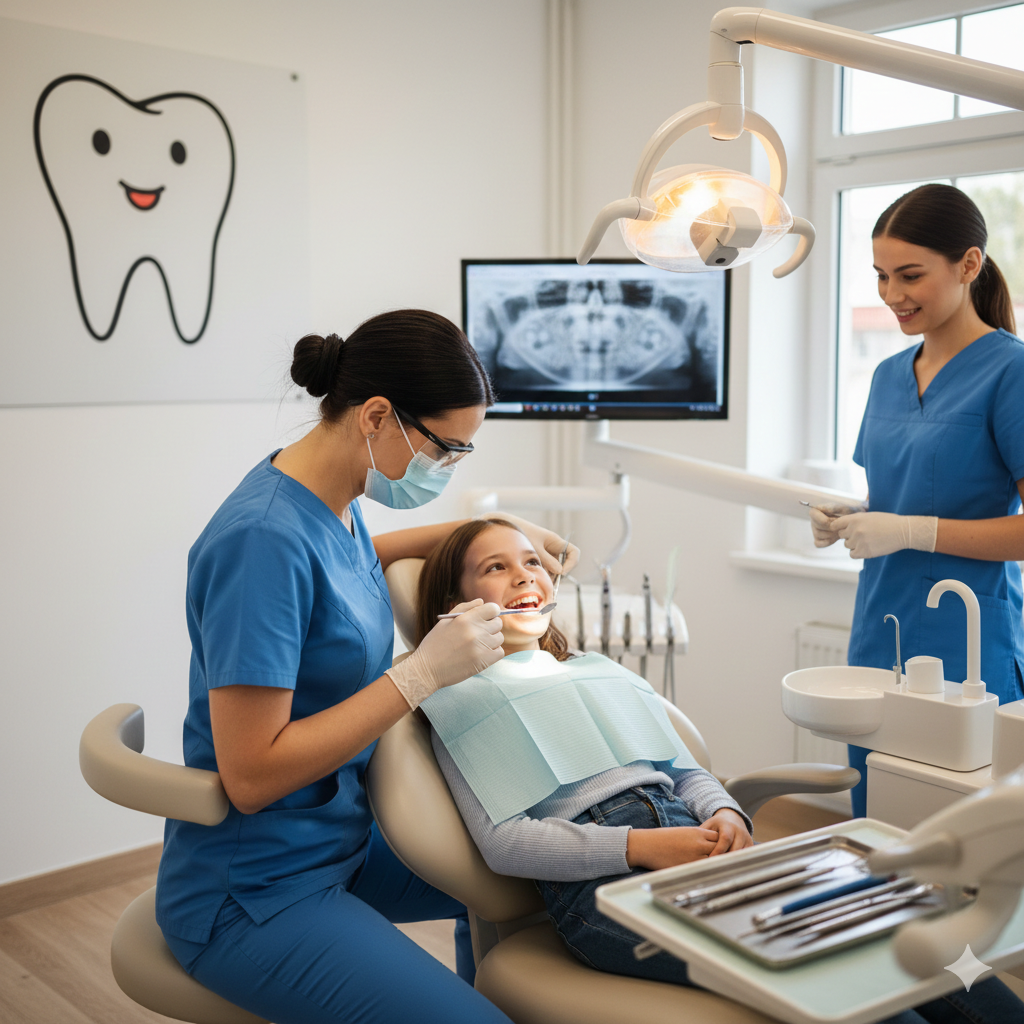
Veneer costs in Miami, Florida vary considerably. The total depends on the material, number of teeth, complexity of the design, preparatory dental care, laboratory work, temporary restorations, and the experience involved in planning and placement.
Cosmetic veneers are often not covered by dental insurance when placed solely to improve appearance. Patients should request a written estimate that explains what is included, whether follow-up adjustments are covered, and what fees could apply if additional treatment becomes necessary.
The lowest advertised price does not always represent the full treatment cost. Careful diagnosis, conservative preparation, quality materials, clear communication, and an appropriate maintenance plan all matter when comparing options.
Questions to Ask a Veneers Dentist in Miami
- Are veneers the most conservative option for these concerns?
- Would whitening, bonding, or orthodontics produce a suitable result?
- How much natural tooth structure would need to be removed?
- Which material is recommended, and why?
- How will the proposed shape and shade be reviewed?
- Could the bite or grinding habits affect the veneers?
- What maintenance and future replacement should be expected?
- What does the written treatment estimate include?
Frequently Asked Questions
Do veneers look natural?
They can be designed to complement natural teeth through carefully selected color, translucency, texture, and proportions. Results vary according to the starting condition, material, treatment plan, and clinical execution.
Do veneers damage natural teeth?
Some veneer treatments require removal of healthy enamel, making the procedure irreversible. Appropriate planning aims to preserve as much tooth structure as the case allows, but patients should ask for a clear explanation of the proposed preparation before proceeding.
Can veneers fix crooked teeth?
Veneers may visually improve mild irregularities, but they do not move tooth roots or correct significant crowding and bite problems. Orthodontic treatment may be safer or more conservative when tooth position is the main concern.
Can veneers get cavities?
The veneer material cannot decay, but the natural tooth around or beneath it can still develop a cavity. Daily cleaning, fluoride exposure, dietary habits, and regular dental examinations remain important.
Can veneers be whitened?
Traditional whitening products do not change veneer color in the same way they change natural enamel. Patients interested in whitening should discuss shade planning before veneers are made so nearby natural teeth and restorations can be coordinated.
Are veneers painful?
Comfort varies with the amount of preparation and individual sensitivity. Dentists can use local anesthesia when appropriate. Temporary sensitivity may occur, but persistent pain or bite discomfort should be evaluated promptly.
How long do veneers last?
There is no single lifespan that applies to every patient. Material, bite forces, oral hygiene, habits, tooth condition, and maintenance all influence how a veneer performs. Patients should plan for periodic evaluation and the possibility of future repair or replacement.
Is It Time to Explore Veneers?
The most valuable benefit of veneers is not simply a whiter smile. It is the ability to create a personalized plan that brings color, shape, proportion, and symmetry into better balance. The right plan should also protect oral health and preserve natural tooth structure whenever possible.
Patients considering the benefits of veneers Miami FL residents often look for can schedule a consultation with Dental 123 in Miami Florida. A one-on-one evaluation provides an opportunity to ask questions, compare treatment options, and learn whether veneers fit the patient’s dental health, preferences, and long-term goals.
Leave a Reply